Last editorial review: September 28, 2026
Social Security survivor benefits and remarriage
Understand how remarriage age, disability, and the end of a later marriage can affect Social Security survivor eligibility.
8 min read
Practice trading with Finelo
Practice in a simulator, learn with bite-sized lessons, and build confidence before risking real money.
Want to learn more?
Practice in a simulator, learn with bite-sized lessons, and build confidence before risking real money.
Explore FineloExplore Finelo's 28-day challenges
Turn learning into a daily habit with guided challenge paths.
Remarriage can affect survivor benefits on a deceased spouse's record. In general, remarriage at age 60 or later does not prevent eligibility. For a qualifying survivor with a disability, the relevant age can be 50 instead.
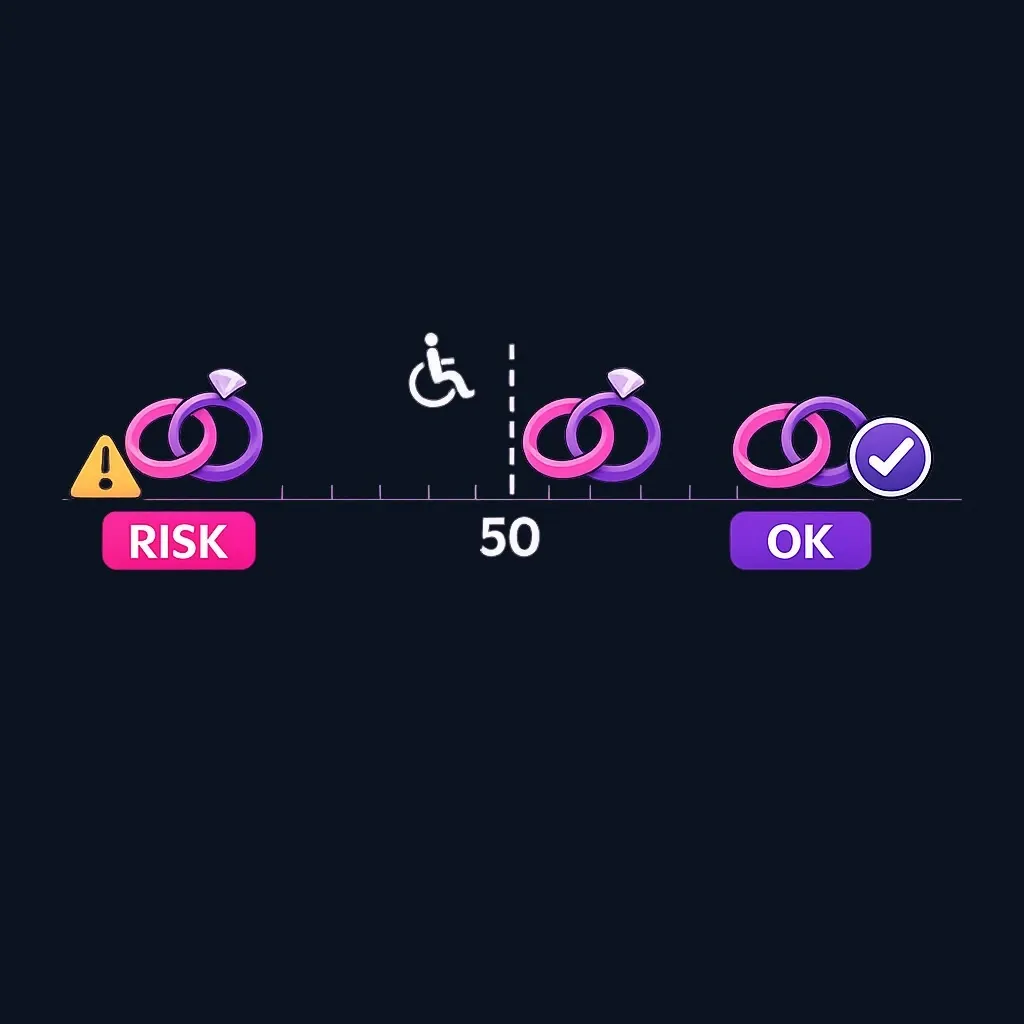
The age rule is important, but it is only one part of eligibility.
Start with the current SSA rules
The SSA survivor eligibility page explains age, marriage-duration, disability, and family requirements. Qualifying former spouses may also be eligible under separate duration rules.
| Situation | What to check |
|---|---|
| Remarrying before 60 | Whether remarriage prevents survivor eligibility and whether an exception applies |
| Remarrying at 60 or later | Survivor eligibility can generally continue, subject to other rules |
| Survivor with a qualifying disability | The age-50 rule and disability conditions |
| Caring for an eligible child | Different survivor-benefit rules may apply |
Do not apply a general widow or widower rule to every survivor benefit paid to a family member.
Eligibility and payment amount are different
Keeping eligibility after remarriage does not mean receiving multiple full benefits at once. Your own retirement benefit and benefits on other records can interact. Claiming age and the deceased worker's record can also affect the amount.
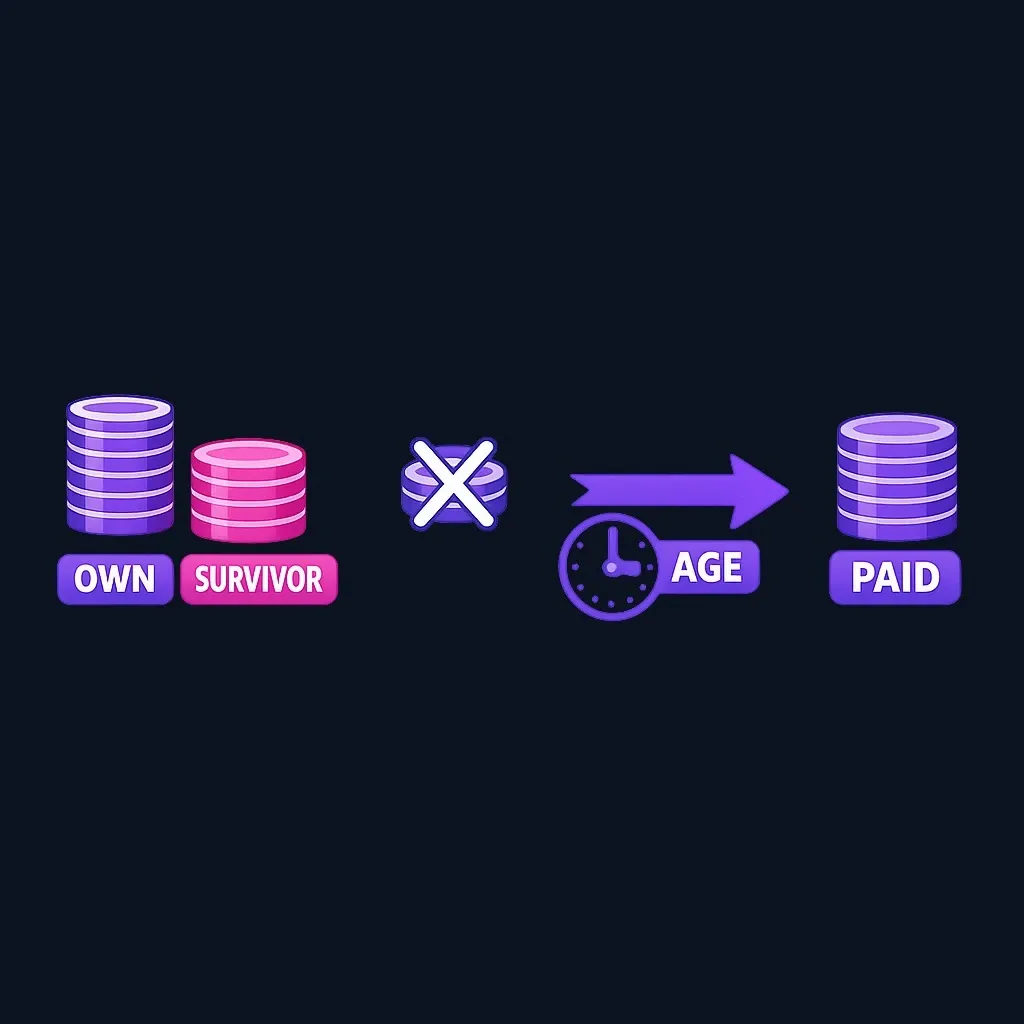
Ask SSA to compare the benefit types and start dates available to you. A change in marital status can require reporting even if you believe it does not change the amount.
Confirm before changing a claim
For a hypothetical survivor planning to remarry near the relevant age threshold, exact dates can matter. Do not rely on the calendar year alone. If a later marriage ends, ask SSA whether eligibility on the earlier deceased spouse's record may be restored under the applicable remarriage rules.
Gather marriage and divorce records, the deceased spouse's information, and current benefit statements. Discuss the specific case with SSA before canceling, switching, or postponing a benefit. A historical description of the law is not a substitute for the current eligibility rules.
Identify the benefit already being paid
A payment based on your own retirement record is not the same as a survivor payment on a deceased spouse's record. A divorced-spouse benefit while the former spouse is living is also a different category. Review the award notice and ask SSA which entitlement supports the payment before applying a remarriage rule.
Age at remarriage, disability status, relationship history, and other eligibility conditions can matter. Record the dates of marriages, divorce, and the former spouse's death. If a later marriage ends, ask whether eligibility on the earlier record can be considered again; do not assume the earlier effect is necessarily permanent in every situation.
Practice trading with Finelo
Practice in a simulator, learn with bite-sized lessons, and build confidence before risking real money.
Separate eligibility from the amount paid
Qualifying for a survivor benefit does not mean receiving multiple full benefits added together. Your own retirement entitlement and the timing of claims can affect what SSA pays. Ask for an explanation of the available benefits and claiming sequence for the actual records involved.
For household planning, compare the expected income after remarriage with the costs the new household will share. Keep financial estimates separate from the personal decision to marry. The purpose of understanding the rule is to avoid a surprise and plan accurately, not to reduce a family decision to one benefit threshold.
Report the change and retain the response
Use SSA's official reporting process and keep proof of the information supplied. Save marriage records and any written benefit decision. If a payment continues while SSA reviews the change, do not assume that continued deposits alone establish entitlement.
If SSA later identifies an overpayment or changes the benefit, read the notice for the reason and response rights. The relevant evidence may include exact dates and the benefit category. A well-organized record helps distinguish a reporting delay from a disagreement about how the eligibility rules apply.
What survivor benefits are
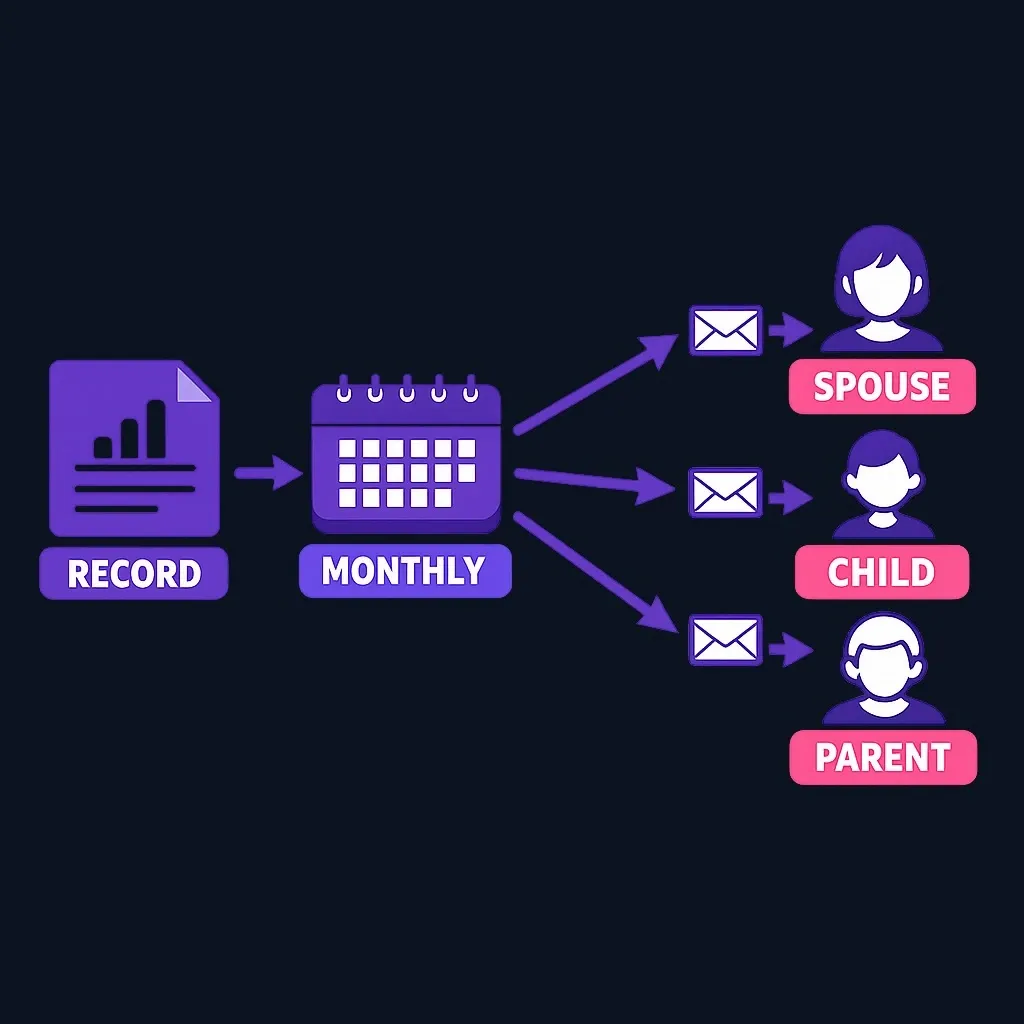
Survivor benefits are monthly Social Security payments paid to eligible family members after a worker dies; they are intended to replace at least part of the deceased worker’s earnings for dependents and a surviving spouse.
Who may qualify
Surviving spouses, dependent children, and sometimes parents can qualify for benefits under the SSA survivors program; eligibility depends on the deceased worker’s earnings record and the relationship and status of the claimant.
A brief note on timing and payment types
Survivor payments differ from regular retirement benefits: eligibility can start before or after the survivor’s own retirement age and may interact with other benefits a claimant receives.
Basic eligibility tests to consider
- Age at remarriage: remarrying before age 60 (or before age 50 for a qualifying disabled survivor) typically terminates survivor benefit eligibility; remarrying at or after age 60 generally preserves eligibility subject to the current eligibility rules.
- Marital-status category: A surviving spouse and a surviving divorced spouse have separate relationship requirements. Confirm the category and the applicable remarriage exception with SSA.
Rough decision checklist (eligibility focus)
- Confirm your survivor status under SSA rules (spouse or qualifying divorced spouse).
- Check your current benefit payment and whether it is explicitly a survivor payment (versus your own retirement benefit).
- Note the age at which you plan to remarry, since remarriage before the applicable remarriage-age threshold is treated differently under federal law.
Immediate actions
- Contact the Social Security Administration to report your remarriage as soon as possible; the SSA’s survivors brochure and contact guidance explain how to reach them and what programs cover survivors.
- Keep records of marriage dates and any court documents if you are a divorced surviving spouse—those dates can affect whether the age exception applies.
Checklist: What to do (conceptual)
- Verify whether the payments you receive are survivor benefits or another type of benefit.
- Notify SSA of a change in marital status promptly to avoid overpayments or eligibility misunderstandings.
- Ask SSA how remarriage affects any auxiliary benefits (for example, benefits for dependent children) that you or your family receive; SSA publications describe family-survivor benefit relationships.
How and where to contact
The SSA’s public survivors guidance includes contact directions and program descriptions; use the SSA’s official publications page to find the appropriate office or phone number for reporting life changes.
Common mistakes to avoid
- Waiting to report remarriage: delays can complicate benefit accounting and lead to overpayment recoupment. Report promptly to the SSA.
- Assuming the rules are the same for all survivors: the age exception’s application differs by surviving-spouse category and by history (widow/widower vs. divorced surviving spouse).
Case Studies: Two Illustrative Scenarios
These are simplified, hypothetical examples to show how timing affects survivor benefits. They are not predictions or advice.
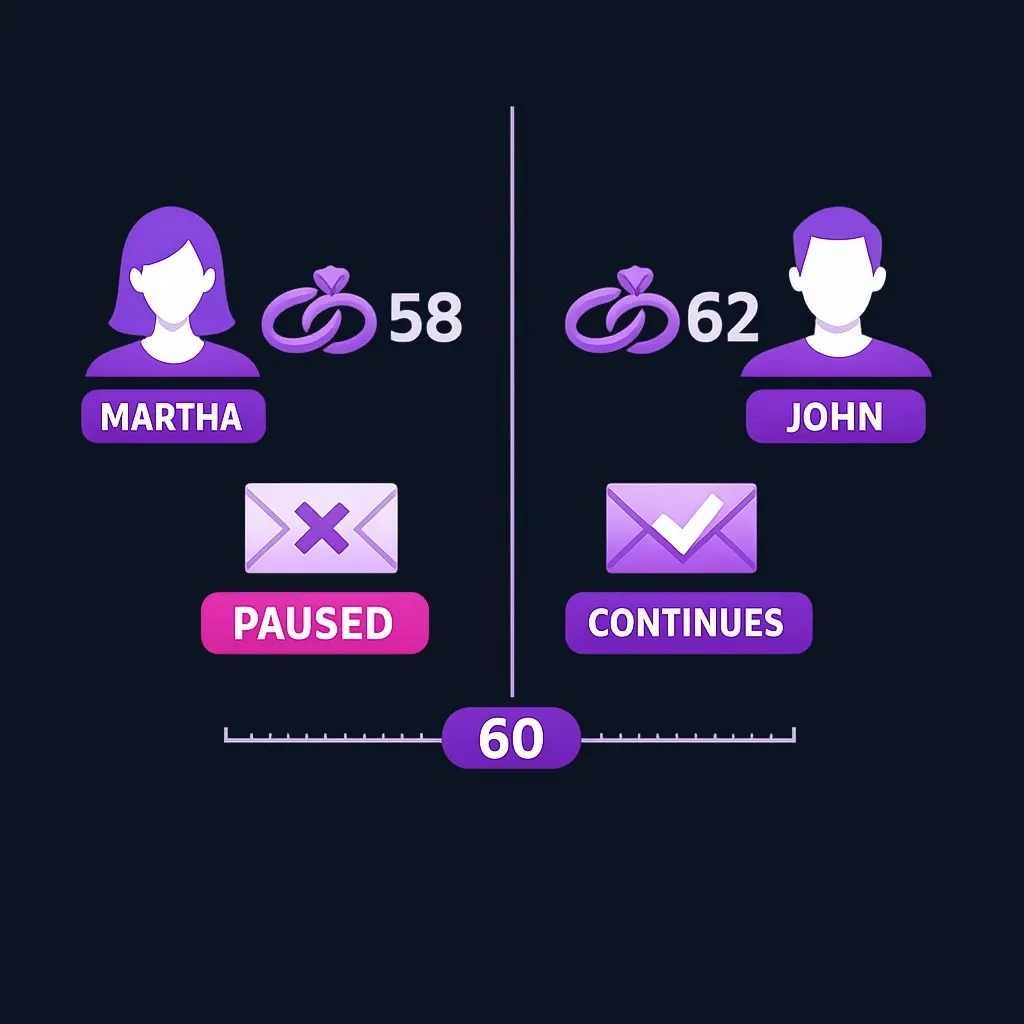
Case A — Remarrying at 58 (hypothetical)
Martha is 58 and hopes to claim an aged surviving-spouse benefit when she reaches 60. She is not receiving a child-in-care benefit and does not meet the disability exception. Remarrying at 58 generally prevents that survivor entitlement while the later marriage continues, subject to applicable exceptions. She should confirm the effect with SSA before assuming the age-60 benefit will be available.
Case B — Remarrying at 62 (hypothetical)
John is a divorced surviving spouse receiving survivor benefits and remarries at 62. Because the law allows surviving divorced spouses who remarry at age 60 or older to continue claiming survivor benefits, John would generally remain eligible for the survivor payments; he should notify SSA and confirm that his continued payments reflect the survivor benefit status.
Ask for record-specific estimates
Before changing a household budget, ask SSA to explain the benefit categories available on the relevant records and the effect of the proposed marriage date. A general eligibility rule does not establish the monthly payment or the best claiming sequence.
Bring the dates and notices to that discussion. If an estimate assumes a particular disability status, marriage duration, or benefit start date, have the assumption identified. Written notes make it easier to recognize when later information changes the comparison.
What happens to survivor benefits if I remarry?
If you remarry before age 60 (or before age 50 for a qualifying disabled survivor), you generally cannot continue receiving survivor benefits on your late spouse’s record; remarriage at age 60 or older allows continued eligibility subject to other eligibility conditions.
Can I remarry after 60 and still receive survivor benefits?
Remarriage at 60 or older generally does not prevent otherwise eligible survivor benefits on a deceased spouse’s record. A qualifying disabled survivor can have an age-50 exception. Benefit amount and other eligibility conditions still matter.
How do I report my remarriage to the Social Security Administration?
Report changes in marital status to the SSA as soon as possible; the SSA’s survivors publication and contact guidance explain how to reach the agency and report life changes.
Other survivor income has different rules; compare Pension survivor benefit vs. life insurance.
This guide covers U.S. rules. Finelo provides financial education, not personalized financial, investment, tax, or legal advice.
Financial LiteracyU.S. GuideFinancial Education
Practice trading with Finelo
Practice in a simulator, learn with bite-sized lessons, and build confidence before risking real money.
About the author
Finelo Team
The Finelo Team creates practical investing and trading education designed to help beginners learn faster with structured challenges, simulator practice, and bite-sized lessons.
Keep reading — Related articles

Financial Literacy
USDA vs. FHA loan
Compare location and income eligibility, down payments, credit conditions, and upfront and annual program charges for a home purchase.
Finelo Team
Financial Literacy
Term life vs. accidental death insurance
Compare broad term-life protection with accident-only coverage, including exclusions, underwriting, and the family income gap.
Finelo Team

Financial Literacy
Term life insurance laddering vs. one policy
Compare several term policies ending at different times with one policy, using coverage needs, costs, and future insurability.
Finelo Team


