Last editorial review: September 8, 2026
Best Stock Market Movies for Beginners in 2026
For beginners who want clear, memorable introductions to market mechanics, incentives, and crisis behavior, start with these four films: The Big Short, Margin Call, Inside Job, and Wall…
9 min read
Practice investing with Finelo
Build practical investing skills with guided lessons, simulator practice, and structured challenges.
Want to learn more?
Build practical investing skills with guided lessons, simulator practice, and structured challenges.
Explore FineloExplore Finelo's 28-day challenges
Turn learning into a daily habit with guided challenge paths.
U.S. scope: This article discusses U.S. institutions, financial products, tax rules, and dollar examples unless stated otherwise. Rules and product terms may change; verify current official guidance for your situation.
Quick answer
For beginners who want clear, memorable introductions to market mechanics, incentives, and crisis behavior, start with these four films: The Big Short, Margin Call, Inside Job, and Wall Street. Together they balance systemic context, firm-level crisis dynamics, documentary evidence, and trader psychology. One practical viewing order is Inside Job → Margin Call → The Big Short → Wall Street, moving from systems to people.
Educational note: this article is educational, not financial advice. Films can illustrate concepts but do not replace primary sources or professional guidance; investing involves risk, including loss.
Introduction to Stock Market Movies
Stock-market films do two things beginners often find useful: they turn abstract financial concepts into human stories, and they surface vocabulary you’ll encounter when you read about markets (examples: leverage, short selling, liquidity). Documentaries show policy, incentives, and documented events; dramas compress choices, tradeoffs, and psychology into scenes that are easy to remember. Use films as motivation and context — then follow up with short explainers or regulator reports to convert cinematic impressions into grounded understanding.
For primary-source context on the 2008 financial crisis, compare the films’ claims with the official Financial Crisis Inquiry Commission report.
How to get the most from a film:
- Watch actively: pause to note unfamiliar terms.
- Write one question per film you’ll research afterward.
- Treat dramatic causality as interpretation, not operational instruction.
The Top 4 Stock Market Movies
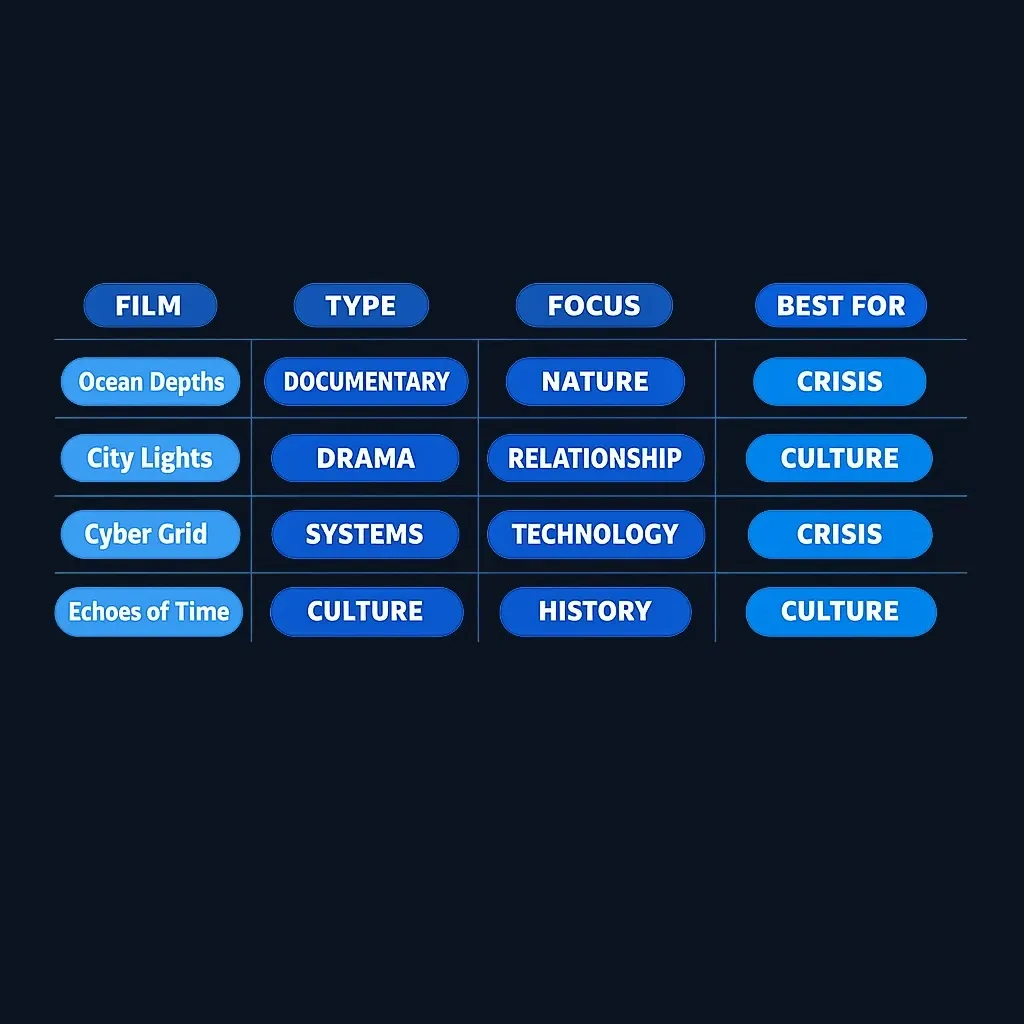
Below is a compact comparison of four films many educators and reviewers recommend for beginners. The table compresses what each title is best for; follow the decision guidance after the table to pick which to watch first.
| Movie | Key viewing value |
|---|---|
| The Big Short | Explains how complex financial products and misaligned incentives can create hidden systemic risk. |
| Margin Call | Focuses tightly on how a single firm reacts when its positions become suddenly illiquid — useful for understanding tradeoffs under pressure. |
| Inside Job | Documentary tracing causes, players, and conflicts of interest around a major financial collapse; useful for policy and regulation context. |
| Wall Street | Dramatic study of trader psychology, incentives, and ethical tradeoffs — valuable for discussing culture and motives. |
Practical note: pick one documentary (Inside Job) and one drama (Margin Call or Wall Street) to get both systems-level and human-level perspectives.
Key Themes and Lessons from These Films
These four films overlap on several themes beginners should notice and question during viewing.
-
Incentives shape behavior.
- Films repeatedly show how compensation, reputation, and short-term goals push people toward risky choices. When you see a character rewarded for a short-term gain, ask what checks (regulation, governance) might have prevented excess.
-
Complexity can hide risk.
- Complex products and layers of intermediation make failures hard to detect. After a scene about opaque instruments, sketch a one-paragraph summary of "who holds the risk" and "who pays if it goes wrong."
-
Liquidity and time matter.
- Market moves can force instant decisions; what looks rational in calm markets can be disastrous under stress. Notice how characters face margin calls, forced sales, or rapidly changing prices.
-
Narrative vs. mechanism.
- Films use character-driven narratives to explain mechanics. That is effective for memory but can compress timelines or simplify causality. Use the film’s story to surface topics, then read a short explainer to learn the mechanics.
Concrete viewing exercise (worked example):
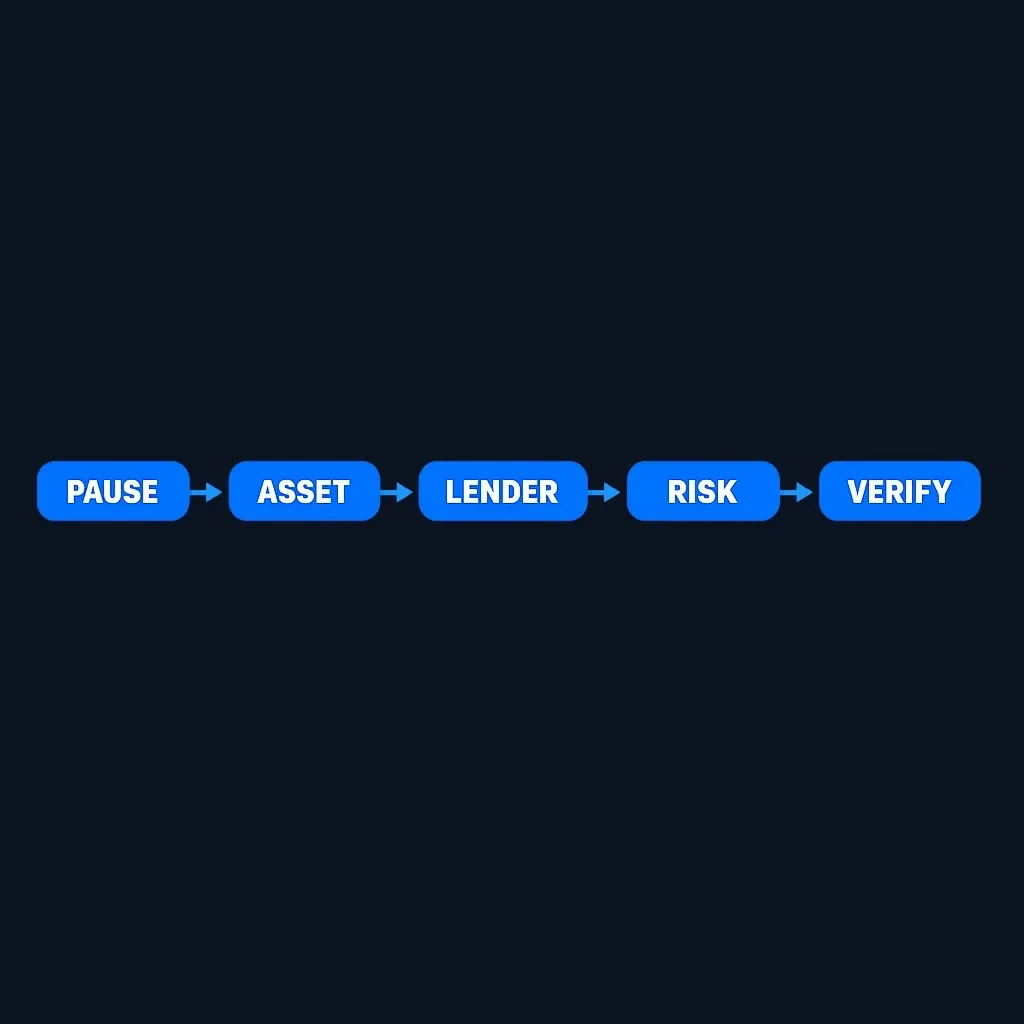
- While watching a scene where a trader "shorts" a product, stop and write: (a) what asset is being sold short, (b) who lends the asset or credit, (c) what counterparty or settlement risk exists, and (d) where you’d check for more detail (an explainer, academic paper, or regulator summary).
Viewer Demographics and Preferences
Who typically watches stock-market films and what they expect:
- Curious beginners: want memorable metaphors and clear, high-level explanations of terms and events.
- Students and educators: look for films to spark class discussion or to illustrate economic concepts.
- Industry professionals: watch for realism and critique of incentives or firm behavior; they value dramas that get institutional mechanics right.
- General audiences: tune in for characters, scandals, and moral drama rather than technical detail.
How to match a film to your goal:
- Learn policy or causes: choose a documentary.
- Study firm behavior under stress: pick an institutional drama.
- Explore psychology and ethics: watch a character-driven film.
Common viewer pitfalls and how to avoid them
- Pitfall: Treating dramatized timelines as literal. Fix: Compare the film’s timeline to a short factual account.
- Pitfall: Using scenes as a trading blueprint. Fix: Translate cinematic scenes into questions, then seek primary-source answers (regulators, textbooks).
Critical Reception and Cultural Impact
Stock-market films shape public conversation by translating complex finance into widely shared stories. Effects to watch for:
- Accessibility: Films can democratize understanding by turning technical language into images or metaphors people remember.
- Simplification: Condensing complex causes into one story helps clarity but can mask multi-factor explanations.
- Narrative framing: A compelling villain or hero can reframe public attribution of blame or responsibility.
Decision point for viewers: use films to surface questions that matter in civic or personal finance debates (e.g., “Who bears systemic risk?”), but follow film claims with short, sourced reading to form an evidence-based view.
Expert Insights on Film Accuracy
Finance professionals tend to treat these films as tools for different purposes rather than literal accounts.
- Documentaries are valuable for policy framing and interviews that surface conflicts of interest and regulatory gaps; they’re starting points for reading official inquiries or reports.
- Tightly scripted dramas are often praised for realistic portrayals of firm-level tension and decision-making under duress; they can illustrate tradeoffs like liquidity vs. reputation.
- High-drama or satirical portrayals excel at capturing culture and psychology but may omit procedural detail.
How to apply expert judgment when a film makes a factual claim:
- Identify the claim (mechanism, timeline, actor).
- Ask: is this a documentary interview, dramatized reconstruction, or fictionalization?
- Look for a primary source (regulator report, book, or academic paper) to verify mechanics before using the film’s claim as a factual basis.
Practical tip: after watching a documentary segment that cites a regulatory finding, search for the original report or a short summary from a neutral regulator or academic to confirm the assertion.
Practice investing with Finelo
Build practical investing skills with guided lessons, simulator practice, and structured challenges.
What to know before deciding
Before you watch a film for learning, use this quick checklist and the viewing plan to get more value.
Pre-watch checklist
- Define your learning goal (mechanics, crisis behavior, ethics, or cultural context).
- Reserve 20–60 minutes after viewing for follow-up reading.
- Note one or two specific terms or scenes you’ll research afterward.
Quick viewing plan:
- Watch actively: pause to define unfamiliar terms.
- Take five notes: 2 facts to verify, 2 questions, 1 key takeaway.
- After the film: read a short explainer or regulator summary on one verified claim.
Why follow-up matters: films simplify for narrative clarity. A short post-viewing verification step turns memorable storytelling into reliable knowledge.
Decision framework
Use this three-step framework to pick the right film based on your objective.
Step 1 — Define the outcome
- Systems and policy understanding → documentary.
- Real-time institutional behavior → institutional drama.
- Ethics and psychology → character-driven drama.
Step 2 — Match the film to the outcome
- Documentary (systems) → film that compiles interviews and reports.
- Institutional drama (procedural) → tightly focused night-or-weekend crisis films.
- Character drama (ethics) → films emphasizing motive, culture, and incentives.
Step 3 — Apply a time-and-depth filter
- Low time (30–90 minutes): pick a focused drama that centers on a single crisis or firm reaction.
- Moderate time (90–120+ minutes): pick a narrative that interleaves characters and mechanics.
- Deeper study: watch a documentary and then read a short regulatory or academic summary.
Decision example
- If your goal is to understand how mortgage securitization contributed to a crisis, watch a documentary segment explaining the mechanism, then read a concise explainer on securitization and tranche structure.
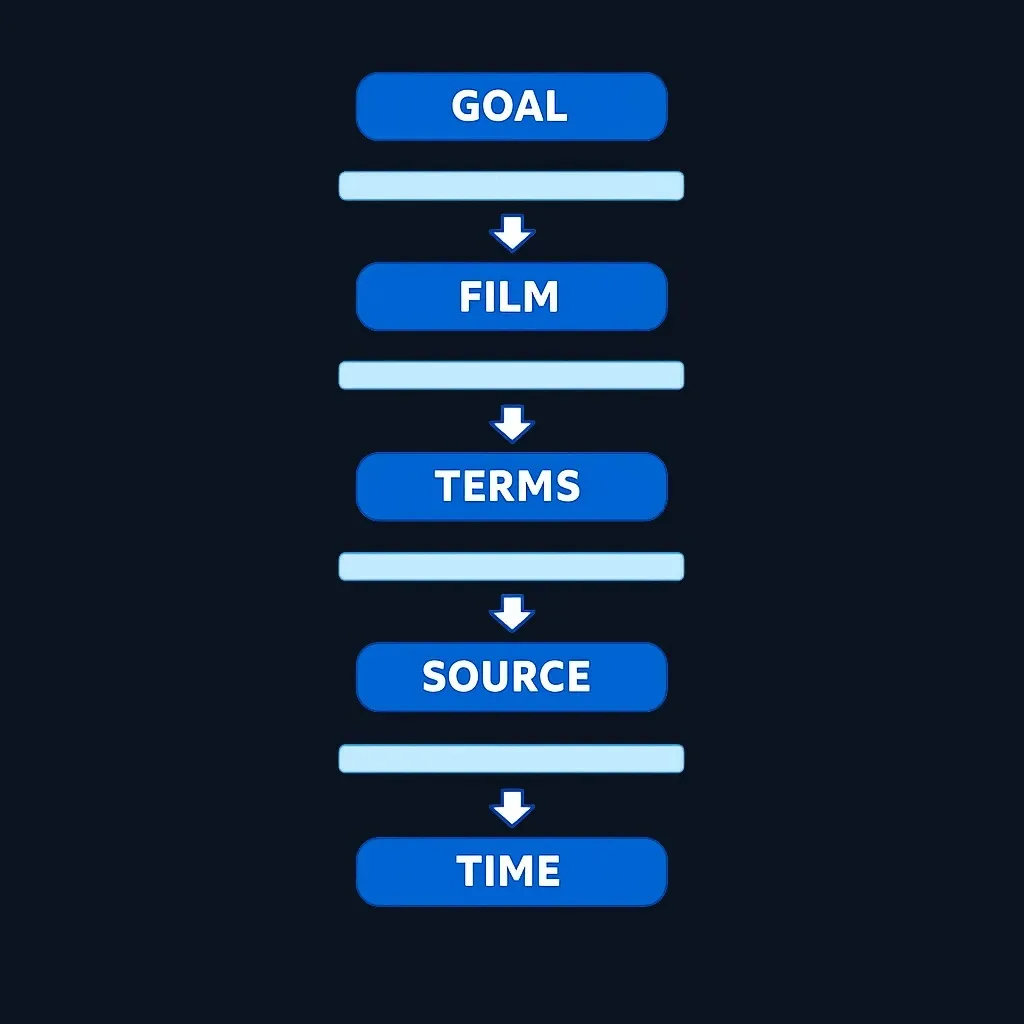
One-page practical checklist you can copy:
- Goal: ________
- Film chosen: ________
- 3 terms to research after viewing: ________
- 1 primary source to check: ________
- Follow-up time reserved: __ minutes
Conclusion and Recommendations
A balanced first viewing plan
- Start with one documentary to learn systems-level causes.
- Follow with one tightly scripted drama to see firm-level tradeoffs under pressure.
- Add a character-driven film to study incentives and culture.
After watching
- Spend 20–60 minutes verifying one factual claim the film makes using a regulator report, academic paper, or a reliable explainer.
- Turn cinematic takeaways into study notes by writing two paragraphs: “What the film claims” and “What I verified.”
Next step: if you want guided explainers and glossaries to follow up on film terms (leverage, short selling, securitization), visit Finelo for curated learning paths and glossaries.
FAQ
What is the best stock market movie?
There’s no single “best” film for every goal. If you want policy context, choose a documentary; for firm-level realism, pick a focused institutional drama; for culture and ethics, pick a character-driven film. Use the decision framework above to match the film to your learning objective.
Which movie depicts the 2008 financial crisis?
Documentaries that assemble interviews and reporting are the best starting point for understanding the 2008 crisis at a systems level. Pair a documentary viewing with a short regulator or academic summary to confirm timelines and mechanisms.
Are there any comedies about stock trading?
Most finance films use drama or documentary form because high-stakes failures lend themselves to tension. Satire exists but is less common; look to curated film lists for titles that intentionally use humor to critique finance culture.
Which films are based on true stories?
Some films adapt reporting, books, or documented events; others are fictional but inspired by cultural realities. After watching, check primary-source reporting or a short factual account to confirm which parts of a film are dramatized and which are documentary-derived.
Sources and Further Verification
More from Finelo
- Cashless Exercise of Stock Options: Costs, Taxes, Risks, and Alternatives
- Early Exercise of Stock Options: Taxes, Costs, Risks, and When It May Fit
- Stock Options vs. RSUs: Key Differences
Disclaimer
This article is provided by Finelo for educational and informational purposes only. Finelo does not provide financial, investment, tax, legal, or insurance advice. Consider your circumstances and consult an appropriately qualified professional before making financial decisions.
InvestingBeginner GuideFinancial Education
Practice investing with Finelo
Build practical investing skills with guided lessons, simulator practice, and structured challenges.
About the author
Finelo Team
The Finelo Team creates practical investing and trading education designed to help beginners learn faster with structured challenges, simulator practice, and bite-sized lessons.
Keep reading — Related articles

Investing
Yield to Call vs Yield to Maturity: Assumptions and Bond Risks
Yield to call (YTC) estimates a bond's yield if the issuer redeems it on an eligible call date; yield to maturity (YTM) estimates yield if it remains outstanding to final maturity.
Finelo Team
Investing
Will My Employer Know If I Take a 401(k) Loan?
Who this page is for: readers new to 401(k) loans who want a practical, privacy‑focused explanation — what your employer can see, how to limit visibility, and the financial tradeoffs to weigh.
Finelo Team

Investing
What Medical Expenses Qualify for a 401(k) Hardship Withdrawal?
Before you decide, confirm three things with your plan administrator:
Finelo Team