Last editorial review: September 8, 2026
After-Tax 401(k) vs. Roth 401(k): Key Differences
For most people comparing after tax 401k vs roth 401k, the Roth 401(k) is the cleaner first choice when the goal is Roth-style retirement savings through regular paycheck contributions.…
8 min read
Practice investing with Finelo
Build practical investing skills with guided lessons, simulator practice, and structured challenges.
Want to learn more?
Build practical investing skills with guided lessons, simulator practice, and structured challenges.
Explore FineloExplore Finelo's 28-day challenges
Turn learning into a daily habit with guided challenge paths.
U.S. scope: This article discusses U.S. institutions, financial products, tax rules, and dollar examples unless stated otherwise. Rules and product terms may change; verify current official guidance for your situation.
Quick comparison answer
For most people comparing after tax 401k vs roth 401k, the Roth 401(k) is the cleaner first choice when the goal is Roth-style retirement savings through regular paycheck contributions. After-tax 401(k) contributions are usually a more advanced option for people who already understand their plan’s limits, conversion rules, and tax reporting.
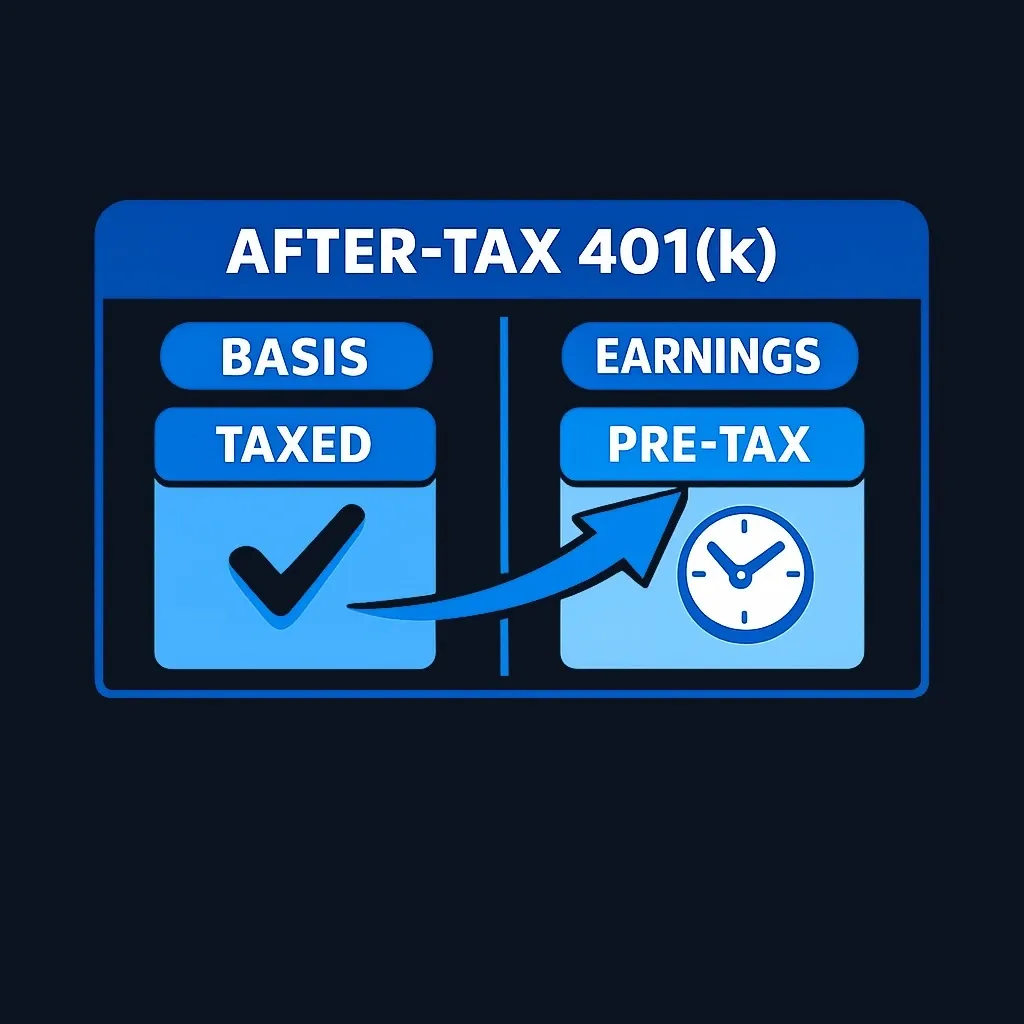
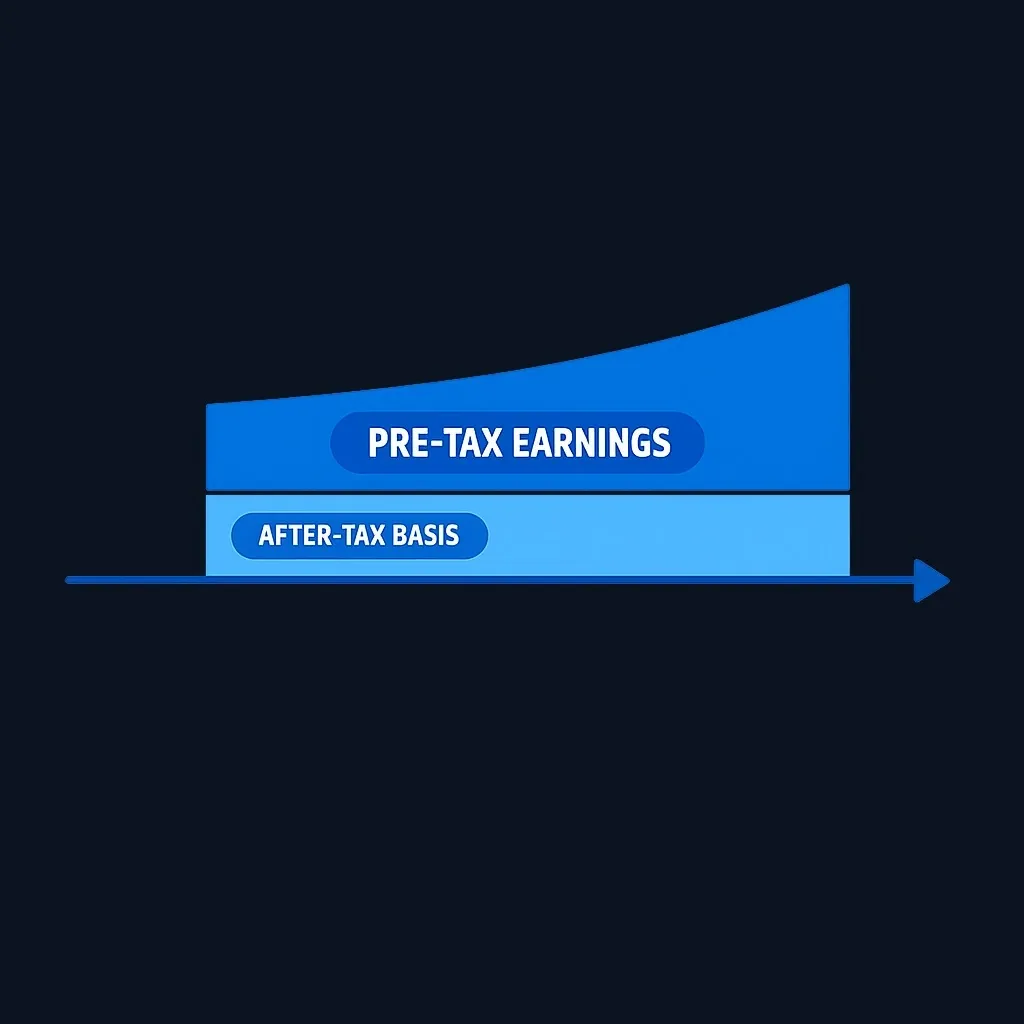
The key practical difference is the treatment of growth. With after-tax 401(k) contributions, the earnings are considered pre-tax and grow tax-deferred until withdrawals begin, according to Fidelity’s explanation of after-tax 401(k) contributions (Fidelity). That makes after-tax contributions useful, but easy to misunderstand.
What each option means
What is an after-tax 401(k)?
An after-tax 401(k) contribution is money placed into a workplace retirement plan after income tax has already been taken from your pay. It is not the same as a pre-tax salary reduction contribution. The IRS describes salary reduction or elective deferral contributions as pre-tax employee contributions that are generally a percentage of compensation (IRS).
The main planning point is that after-tax does not automatically mean “Roth.” The contribution itself has already been taxed, but earnings on those after-tax contributions are treated as pre-tax and grow tax-deferred until withdrawals begin (Fidelity). That is why many people pair after-tax contributions with a conversion discussion.
What is a Roth 401(k)?
A Roth 401(k) is a Roth-designated bucket inside an employer retirement plan. Like after-tax contributions, it uses money from pay that has already faced income tax. The reason people compare it with after-tax contributions is that both can feel similar at the paycheck level.
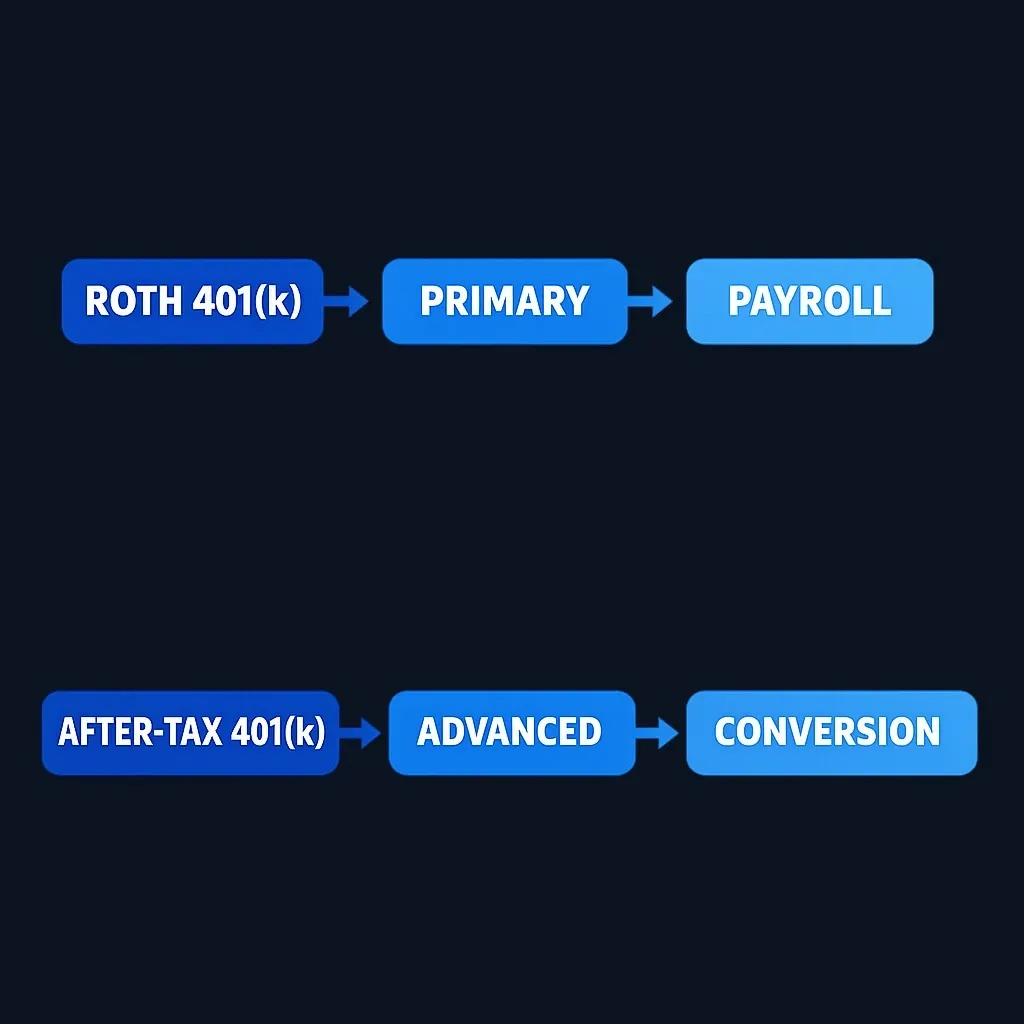
The planning difference is intent. Roth 401(k) contributions are generally used as a primary retirement savings bucket. After-tax 401(k) contributions are often evaluated after the main contribution decision, especially when someone is studying conversion options or trying to use more of a plan’s features.
Side-by-side comparison table
| Decision point | Roth 401(k) | After-tax 401(k) |
|---|---|---|
| Best basic use | Regular paycheck retirement contributions with Roth treatment under plan rules | Additional after-tax savings inside the plan, if the plan allows it |
| Biggest tax question | Whether the account will meet the plan’s Roth withdrawal requirements | How much earnings have accumulated, because earnings are pre-tax and tax-deferred until withdrawals begin (Fidelity) |
| Complexity level | Usually simpler for someone choosing a contribution bucket | Usually more complex because conversion, rollover, and earnings treatment matter |
| Common mistake | Treating it as automatically better than every other contribution type | Assuming “after-tax” means all future growth is Roth-like |
| Plan check before using | Confirm Roth availability, payroll setup, and withdrawal rules | Confirm after-tax availability, conversion rules, distribution rules, and recordkeeping |
The table shows the practical split. Roth 401(k) treatment is more standardized, while after-tax 401(k) contributions require additional plan-specific review because contribution basis and earnings can receive different tax treatment.
Decision criteria
Start with the job you need the account to do
Ask whether you are choosing your main retirement contribution bucket or solving a second-layer savings problem. If you are still deciding where your regular paycheck contribution should go, Roth 401(k) is usually the more direct comparison point. If you already know your main contribution plan, after-tax contributions may be a separate planning tool.
A useful rule of thumb is this: use Roth 401(k) for contribution simplicity, and evaluate after-tax 401(k) only when you can explain the earnings treatment. If you cannot describe what happens to earnings, pause before contributing after-tax dollars.
Compare tax timing, not just account names
Both options can involve money that has already been taxed before it enters the account. That surface similarity causes confusion. The deeper issue is how growth is handled later.
For after-tax 401(k) contributions, earnings are considered pre-tax and grow tax-deferred until withdrawals begin (Fidelity). That means the account may contain more than one tax character over time. Before converting or withdrawing, you need to know what portion is original after-tax contribution and what portion is earnings.
Check your plan before building a strategy
Workplace plans differ in what they allow. Before choosing after-tax contributions, ask your plan administrator whether the plan supports them, how earnings are tracked, and whether in-plan Roth conversions or rollovers are available.
Also confirm how employer contributions work in your specific plan. Do not assume that changing your employee contribution type changes the employer formula in a favorable way. The plan document, payroll system, and benefits team are the right places to verify that.
When to choose each option
When a Roth 401(k) may fit better
A Roth 401(k) may fit when you want a straightforward Roth-designated workplace contribution and do not want to manage conversion timing. This is especially relevant when your main decision is simply how to split paycheck contributions.
Consider a worker named Lena. She wants one retirement bucket through payroll and does not want extra tax tracking. In that case, Roth 401(k) contributions may be easier to monitor than after-tax contributions that later require earnings analysis.
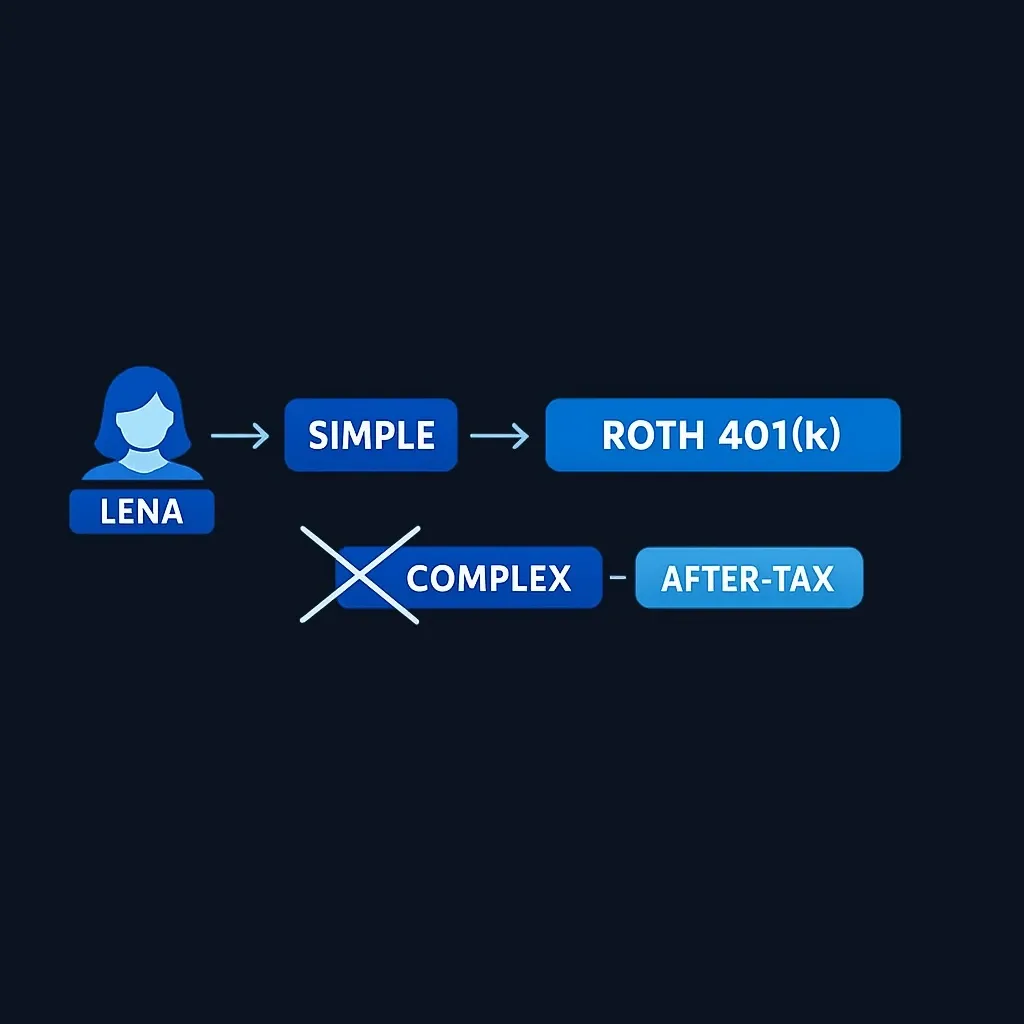
This does not mean Roth is always better. If cash flow is tight, or if pre-tax contributions are also on the table, the decision can change. The comparison here is only between Roth and after-tax 401(k) contributions.
When after-tax 401(k) contributions may fit better
After-tax 401(k) contributions may fit someone who has already made the main salary-deferral decision and wants to study additional plan features. They are most useful when the person understands that earnings are not automatically treated like the original after-tax contribution.
Consider a high-saving employee named Marcus. He already knows his main contribution plan and is reviewing whether after-tax contributions can later be converted. His key task is not just contributing more. It is checking the plan’s conversion process, timing, and tax reporting before acting.
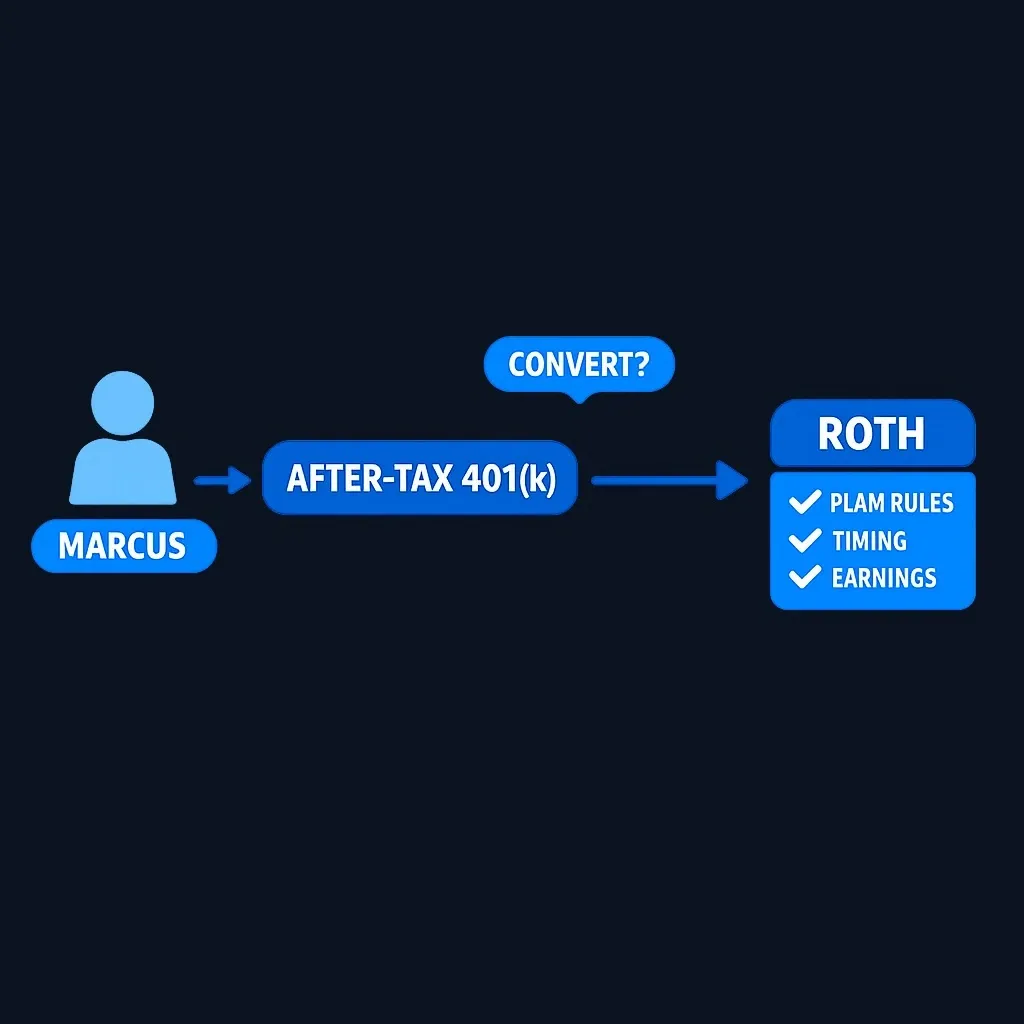
This option is easiest to mishandle when someone treats it like a Roth substitute. The contribution and the earnings need separate attention.
Practice investing with Finelo
Build practical investing skills with guided lessons, simulator practice, and structured challenges.
Tradeoffs and caveats
The biggest tradeoff is simplicity versus flexibility. Roth 401(k) contributions are usually easier to understand. After-tax 401(k) contributions may create more planning flexibility, but they demand cleaner records and closer plan review.
The most common mistake is focusing only on the word “after-tax.” That label tells you how the contribution entered the account. It does not tell you how all future growth will be treated. Fidelity notes that earnings on after-tax contributions are pre-tax and grow tax-deferred until withdrawals begin (Fidelity).
Withdrawals also need planning. In retirement, you want to know which dollars are Roth-designated, which are original after-tax contributions, and which are earnings. That recordkeeping can affect which account you spend first, what you roll over, and what questions you bring to a tax professional.
A practical checklist before choosing:
- Confirm which contribution types your plan offers.
- Ask how after-tax contributions and earnings are tracked.
- Ask whether conversions or rollovers are available.
- Review how payroll elections affect your take-home pay.
- Verify the plan’s withdrawal and distribution rules.
- Consider getting tax help before converting after-tax money.
FAQ
What is the main difference between Roth and after-tax contributions?
The main difference is not simply whether taxes were paid before contribution. With after-tax 401(k) contributions, earnings are considered pre-tax and grow tax-deferred until withdrawals begin (Fidelity). Roth 401(k) contributions are usually chosen for Roth-designated treatment under the plan.
Can after-tax 401(k) money be converted to Roth?
Some workers evaluate after-tax contributions because they want a future Roth conversion strategy. Before assuming that works, confirm your plan’s conversion rules, timing, and tax reporting. The earnings matter because after-tax contribution earnings have different treatment than the original contribution (Fidelity).
Which is better for high-income savers?
High-income savers often compare these options after deciding how much they can afford to save. Roth 401(k) may be simpler for regular contributions. After-tax 401(k) contributions may be worth reviewing when the saver understands the plan’s conversion and earnings rules.
What should I check before changing my payroll election?
Check whether the plan offers the contribution type, how it tracks taxes, and how withdrawals work. Also review your cash flow. A tax-efficient choice can still be a poor fit if it leaves too little money for near-term needs.
Bottom line
The simplest answer to after tax 401k vs roth 401k is this: Roth 401(k) is usually the cleaner first choice for Roth-designated paycheck contributions, while after-tax 401(k) is a more advanced planning tool. The after-tax option can be useful, but only if you understand the earnings treatment and your plan’s rules.
Before changing contributions, gather your plan documents, ask your benefits team targeted questions, and consider tax guidance for conversions. For broader investing and retirement education, you can explore resources from Finelo.
Sources and Further Verification
More from Finelo
- Backdoor Roth vs. Mega Backdoor Roth: Rules, Limits, and Key Differences
- Cash Balance Plan vs. 401(k): Limits, Costs, and Which Plan Fits
- How to Find an Old 401(k): Records, Databases, Fees, and Rollover Options
Disclaimer
This article is provided by Finelo for educational and informational purposes only. Finelo does not provide financial, investment, tax, legal, or insurance advice. Consider your circumstances and consult an appropriately qualified professional before making financial decisions.
InvestingBeginner GuideFinancial Education
Practice investing with Finelo
Build practical investing skills with guided lessons, simulator practice, and structured challenges.
About the author
Finelo Team
The Finelo Team creates practical investing and trading education designed to help beginners learn faster with structured challenges, simulator practice, and bite-sized lessons.
Keep reading — Related articles

Investing
Yield to Call vs Yield to Maturity: Assumptions and Bond Risks
Yield to call (YTC) estimates a bond's yield if the issuer redeems it on an eligible call date; yield to maturity (YTM) estimates yield if it remains outstanding to final maturity.
Finelo Team
Investing
Will My Employer Know If I Take a 401(k) Loan?
Who this page is for: readers new to 401(k) loans who want a practical, privacy‑focused explanation — what your employer can see, how to limit visibility, and the financial tradeoffs to weigh.
Finelo Team
Investing
What Medical Expenses Qualify for a 401(k) Hardship Withdrawal?
Before you decide, confirm three things with your plan administrator:
Finelo Team