Last editorial review: September 8, 2026
Executor vs. Trustee: Duties, Costs, Timelines, and Key Differences
An executor settles an estate under a will, while a trustee administers assets held in a trust. Compare duties, timelines, costs, oversight, and practical selection criteria.
12 min read
Practice investing with Finelo
Build practical investing skills with guided lessons, simulator practice, and structured challenges.
Want to learn more?
Build practical investing skills with guided lessons, simulator practice, and structured challenges.
Explore FineloExplore Finelo's 28-day challenges
Turn learning into a daily habit with guided challenge paths.
U.S. scope: This article discusses U.S. institutions, financial products, tax rules, and dollar examples unless stated otherwise. Rules and product terms may change; verify current official guidance for your situation.
Quick comparison answer
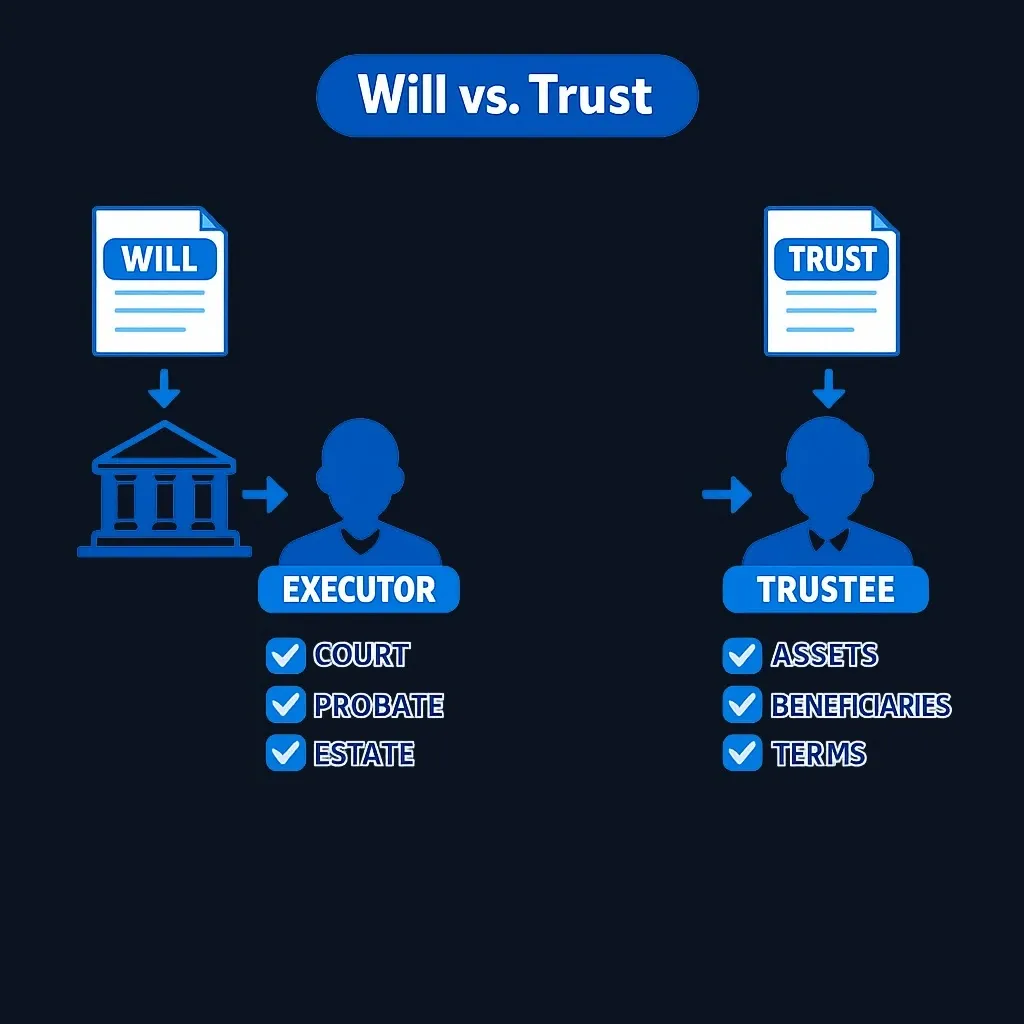
An executor is the person nominated in a will and, where required, appointed by a probate court to administer the estate. A trustee administers property held in a trust under the trust document and applicable state law. Both are fiduciary roles, but authority, duties, deadlines, compensation, and court supervision vary by state and document. New York Courts, for example, describes an executor as a court-appointed fiduciary with a duty to act faithfully for the estate—not a universal definition for every state (New York Courts).
Defining executors and trustees
An executor and a trustee can both handle assets after someone dies, but they are not interchangeable. The practical take is simple: an executor closes an estate, while a trustee administers a trust.
What an executor does
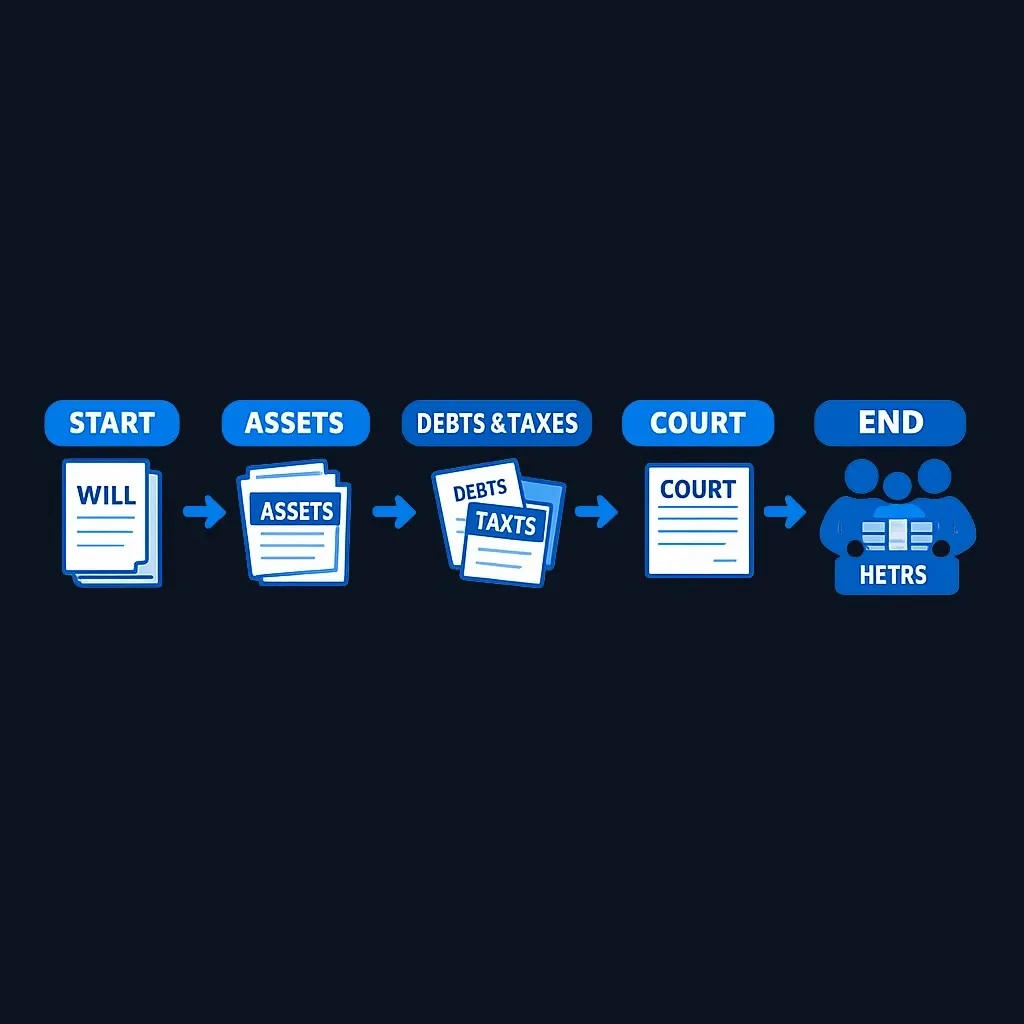
An executor is generally named in a will and is responsible for managing the deceased person’s affairs and settling the estate Fidelity. Fidelity lists executor duties that include initiating court procedures and filing the deceased person’s final tax returns Fidelity.
In plain English, the executor is the person who helps move the estate from “unfinished business” to “settled.” That can involve gathering information, working through required procedures, handling deadlines, and coordinating with beneficiaries.
A simple example: if a parent dies with a will, the executor may need to start the estate process, identify estate property, deal with bills and final tax filings, and distribute what remains under the will. The executor is not just “the person in charge.” The role comes with legal responsibilities and risk Charles Schwab.
What a trustee does
A trustee manages assets that are held in a trust. The trustee’s authority comes from the trust document, and the trustee must administer those assets for the beneficiaries.
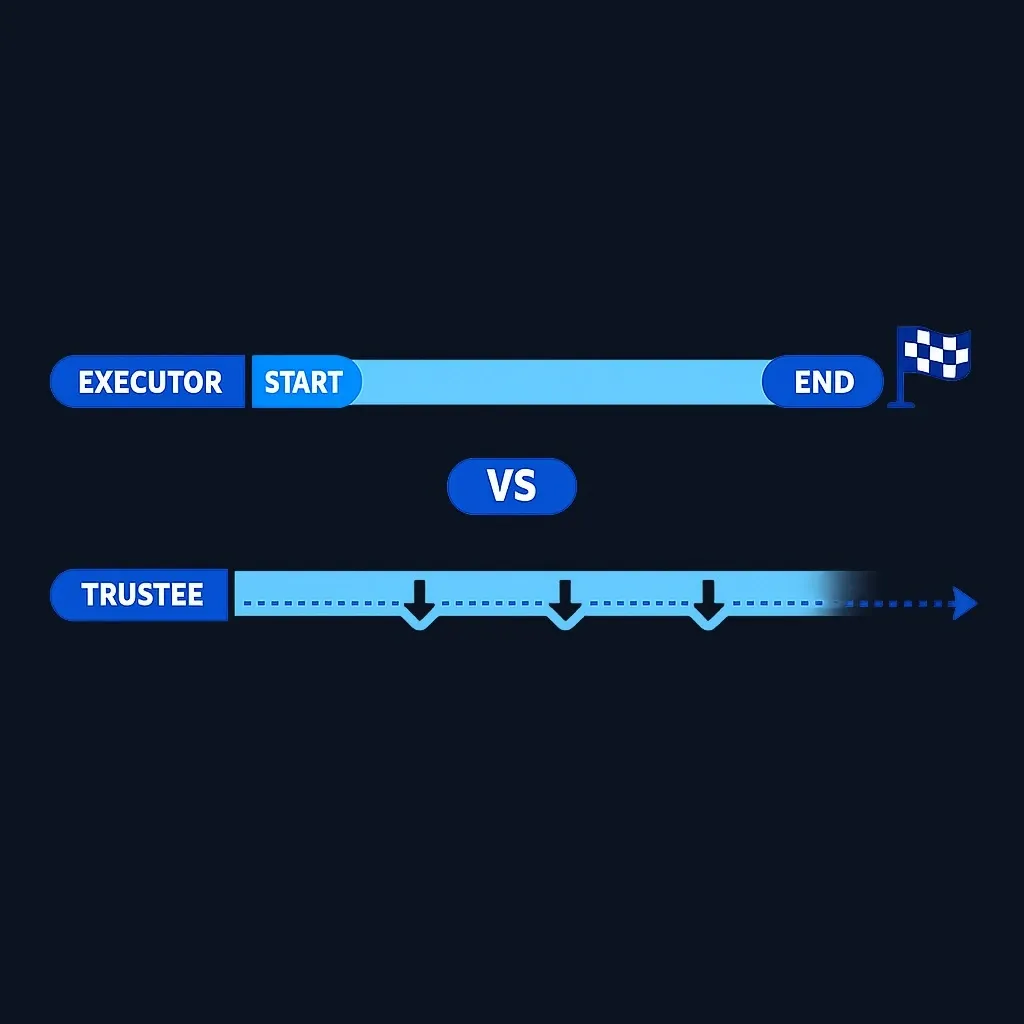
Trustee work often feels less like “closing an estate” and more like “running a set of instructions.” For example, a trust might direct the trustee to hold assets for a beneficiary, make distributions over time, or manage property until a condition is met.
Like executors, trustees take on legal responsibilities. Schwab warns that many people agree to serve as executors and trustees without understanding the legal responsibilities of those roles Charles Schwab.
Side-by-side comparison table
| Decision point | Executor | Trustee |
|---|---|---|
| Main function | Settles a deceased person’s estate Fidelity | Administers assets held in a trust |
| Usual document | Will; the executor is generally named in the will Fidelity | Trust document |
| Core work | Managing affairs, initiating court procedures, filing final tax returns, and settling the estate Fidelity | Managing and distributing trust assets under the trust’s instructions |
| Typical focus | Wrap up obligations and distribute estate property | Carry out trust instructions for beneficiaries |
| Legal risk | The role has legal responsibilities and can create risk Charles Schwab | The role has legal responsibilities and can create risk Charles Schwab |
| Best fit | A will-based estate that needs settlement | A trust-based plan that needs administration |
The table compresses the core difference, but the real decision is about workload, family dynamics, and duration. An executor role is usually about completing a defined estate-settlement process. A trustee role can require ongoing judgment if the trust continues after death.
Decision criteria
Use this framework when naming someone, comparing candidates, or deciding whether to accept a role. It works best when paired with the actual will, trust, and local legal requirements.
1. Start with the document
If the plan depends on a will, you are usually evaluating an executor. Fidelity notes that the executor is generally named in the will Fidelity.
If the plan depends on a trust, you are evaluating a trustee. The trustee needs to understand the trust terms, the beneficiaries’ needs, and the records required to show that decisions were made properly.
Do not choose based only on who is closest to the person making the plan. Choose based on who can do the work, follow instructions, stay neutral, and ask for professional help when needed.
2. Match the role to the workload
An executor needs the patience to deal with paperwork, notices, tax coordination, asset lists, and beneficiary questions. Fidelity specifically includes initiating court procedures and filing final tax returns among executor responsibilities Fidelity.
A trustee needs administrative discipline and judgment. The trustee may have to balance current distributions, future beneficiaries, investment oversight, and communication.
A good candidate does not need to be an expert in everything. But they need enough judgment to know when to hire an attorney, accountant, appraiser, or financial professional.
3. Check for conflicts of interest
Family relationships can make either role harder. A beneficiary who is also the executor may have legal authority, personal grief, and financial interest at the same time.
That is not automatically wrong, but it can create friction. Other beneficiaries may question delays, expenses, asset values, or distribution choices.
A trustee can face a similar problem if one beneficiary wants quick distributions while another benefits from long-term preservation. If conflict is likely, a neutral professional or co-fiduciary may reduce pressure on the family.
4. Ask whether one person can carry both roles
One person can be named as both executor and trustee when the estate plan uses both a will and a trust. The better question is whether that person has the time, skill, neutrality, and emotional bandwidth to do both.
Combining roles can simplify communication because one person sees the whole plan. It can also concentrate control and workload, which may increase conflict if beneficiaries do not trust that person.
A practical compromise is to name the same primary person but add strong backup choices. Another option is to use a family member for one role and a professional fiduciary for the other.
5. Compare expected costs by category, not guesses
Costs vary too much by state, document, asset mix, and professional help to rely on a generic number. Instead, compare cost categories before choosing.
Ask these questions:
- Will the role require legal help?
- Will tax preparation be needed?
- Are there hard-to-value assets?
- Will beneficiaries expect frequent accounting?
- Is a professional fiduciary being considered?
- Does state law affect compensation or required procedures?
This approach avoids a common mistake: choosing the cheapest-looking option without considering disputes, delays, or complexity.
When to choose each option
The best answer to “executor vs. trustee” depends on the estate plan. It is not a ranking where one role is better. The right role follows the document and the job that must be done.
Choose an executor when the main job is settling an estate
Choose an executor when the plan is will-based and the main need is to settle the deceased person’s affairs. Fidelity describes the executor as responsible for managing affairs and settling the estate Fidelity.
This role fits someone who is organized, responsive, and comfortable dealing with formal steps. They should be able to track documents, communicate clearly, and avoid treating estate property as their own.
Worked example: a person dies with a will, a home, bank accounts, personal property, and several named beneficiaries. The executor’s job is to move the estate through the required process, coordinate final tax filings, handle debts, and distribute property under the will.
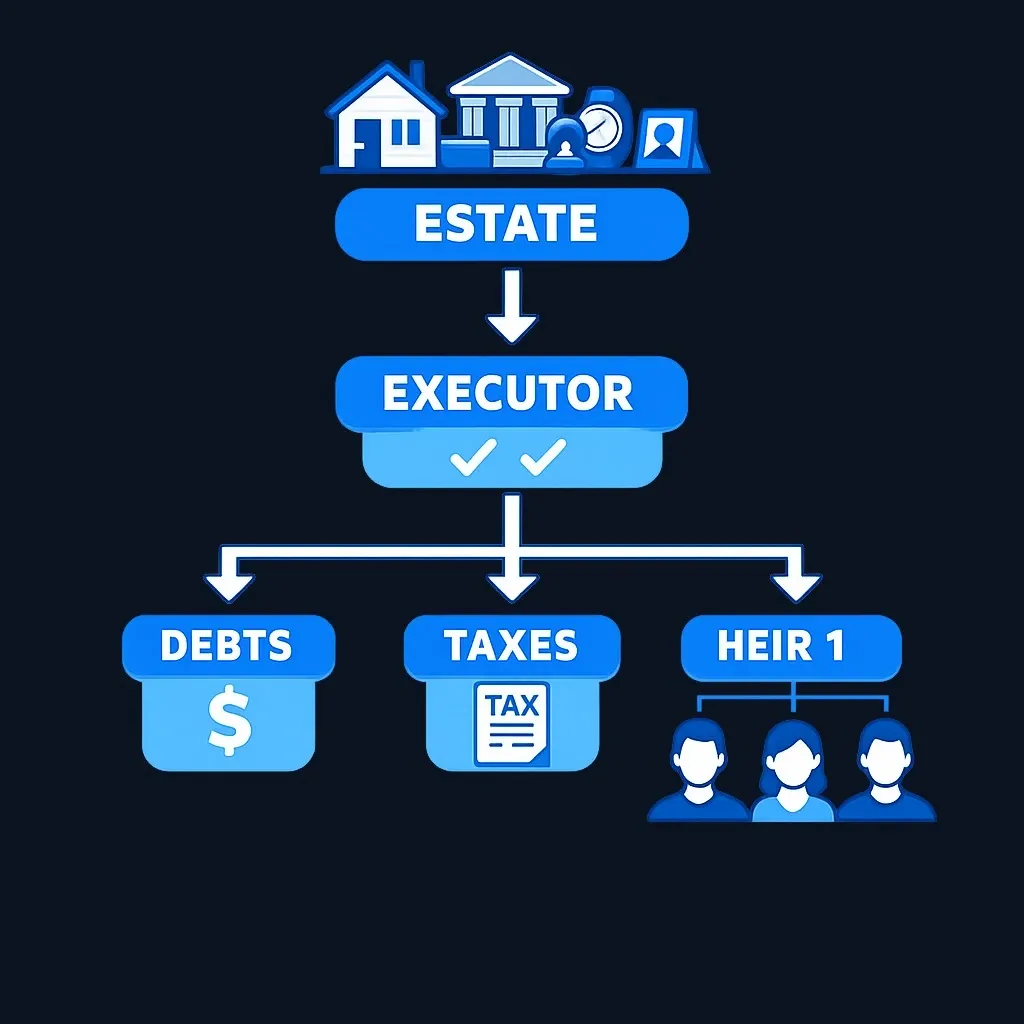
Choose a trustee when the main job is administering a trust
Choose a trustee when assets are held in trust and the plan requires someone to follow trust instructions. This is especially important when distributions are not immediate or when beneficiaries need ongoing administration.
The trustee should be comfortable with records, communication, and long-term responsibility. They should also understand that informal family expectations do not override the trust document.
Worked example: a trust leaves assets for two children, but the document calls for distributions over time. The trustee does not simply divide everything immediately. The trustee follows the trust terms and keeps records of decisions.
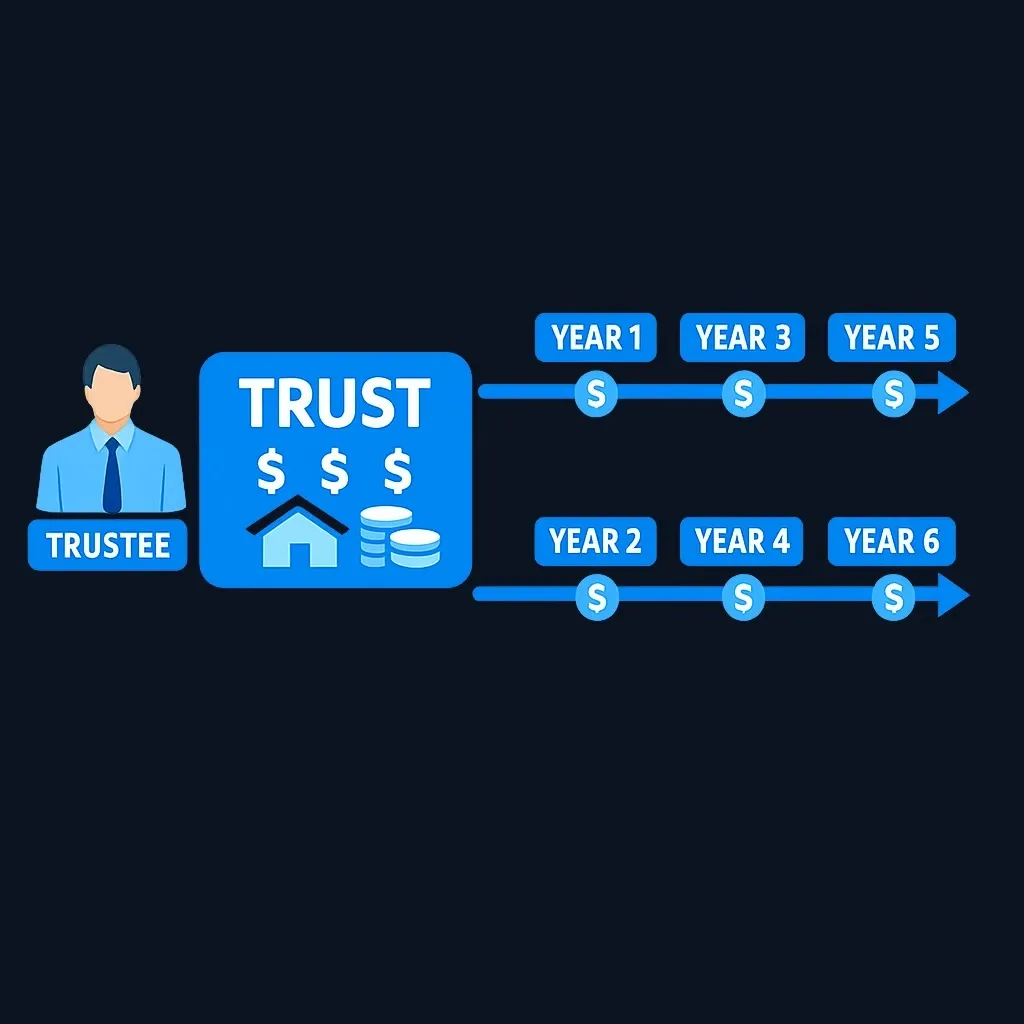
Choose the same person only when simplicity outweighs concentration risk
Naming the same person as executor and trustee can work when that person is trusted, available, and capable. It can reduce duplication because one person can coordinate the will and trust pieces.
The downside is concentration risk. If that person becomes overwhelmed, biased, ill, or unavailable, both parts of the plan may suffer.
Before naming one person to both roles, ask whether beneficiaries will accept that person’s decisions. Also ask whether the person can manage deadlines, professionals, family pressure, and emotional strain.
Tradeoffs and caveats
Executor and trustee decisions are rarely just technical. They affect family trust, privacy, cost, timing, and the chance of disputes.
State-specific rules matter
Estate and trust administration is not a one-size-fits-all process. State law can affect probate procedures, fiduciary compensation, filing requirements, creditor deadlines, and the formal steps needed to act.
That matters when reading general comparisons. A role that looks simple in theory may become more formal in a specific state or county.
Use this state-law checkpoint before acting:
- Confirm who can legally serve.
- Confirm whether the role requires court appointment or acceptance paperwork.
- Confirm compensation rules before assuming a fee.
- Confirm tax and filing duties with a qualified professional.
- Confirm what happens if the named person cannot serve.
Fiduciary duties are real obligations
Both roles can carry legal responsibilities. Schwab notes that many people agree to serve as executors and trustees without understanding those responsibilities Charles Schwab.
That warning matters because fiduciaries often make decisions under pressure. They may be grieving, handling family questions, and trying to interpret documents at the same time.
Good risk controls include written records, separate accounts, clear communications, and early professional guidance. The worst mistake is treating the role as an informal family favor.
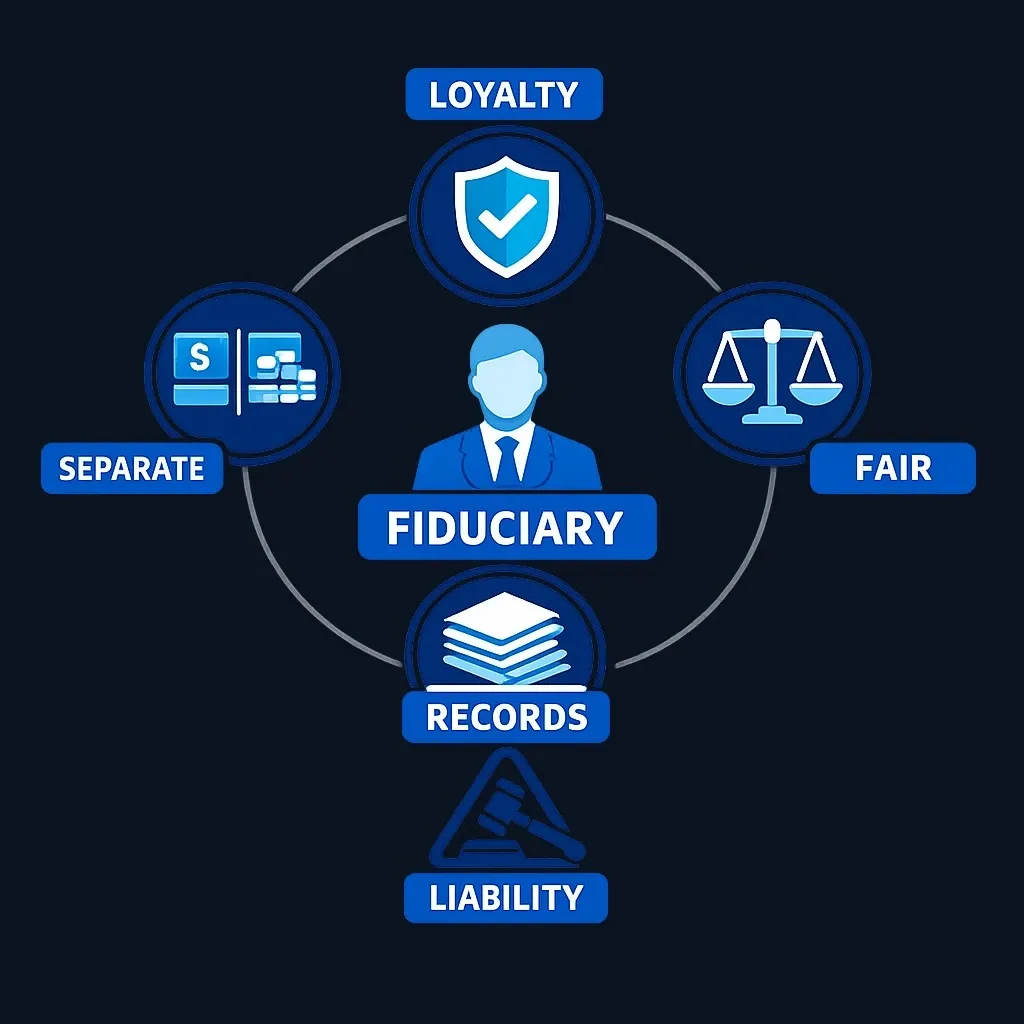
Costs are not only professional fees
People often compare executor and trustee costs too narrowly. They focus on whether the fiduciary charges a fee, then ignore time, delay, tax preparation, court steps, investment oversight, and dispute risk.
A low-cost family member may be a good choice for a simple estate. For a complex trust or high-conflict family, professional help may reduce mistakes and emotional strain.
The better question is not “Who is cheapest?” It is “Who can complete the role correctly, fairly, and with manageable risk?”
Emotional fit matters
Executors and trustees often deal with beneficiaries at sensitive moments. Even a technically skilled person can struggle if they avoid conflict or communicate poorly.
Look for someone who can be calm, clear, and consistent. They do not need to please everyone, but they must be able to explain process and follow the governing document.
A useful test is simple: would beneficiaries believe this person is acting fairly, even when they dislike the outcome?
Practice investing with Finelo
Build practical investing skills with guided lessons, simulator practice, and structured challenges.
Common misconceptions about executors and trustees
“The oldest child is automatically the right choice”
Age or birth order does not make someone the best fiduciary. Organization, judgment, availability, and neutrality matter more.
If the oldest child lives far away, dislikes paperwork, or has conflict with siblings, another person may fit better. A professional fiduciary can also be considered when family dynamics are strained.
“A trustee can do whatever seems fair”
A trustee’s job is not to improvise based on personal views. The trustee administers the trust according to the trust document.
This distinction matters when beneficiaries disagree. A trustee who tries to satisfy everyone may create more risk than one who follows the written terms and documents decisions.
“An executor’s job is only ceremonial”
An executor's role is active, not symbolic. Duties can include collecting estate assets, handling valid debts and expenses, completing required court steps, and transferring property under the will and state law. Federal tax responsibilities are separate: the IRS says a personal representative generally files the decedent's final return and may also need an estate income tax return (IRS).
That workload can surprise people who accepted the role as an honor. Before accepting, ask what assets exist, who the beneficiaries are, and what professional help is available.
“One person in both roles always simplifies the plan”
One person can simplify coordination, but it can also create bottlenecks. If that person is slow, conflicted, or unavailable, both the estate and trust administration may stall.
A better design includes successors, clear records, and realistic workload planning. Simplicity should not come at the expense of accountability.
FAQ
What is the difference between an executor and a trustee?
An executor settles a deceased person’s estate and is generally named in the will Fidelity. A trustee administers assets held in a trust for beneficiaries under the trust document.
Can one person serve as both an executor and a trustee?
Yes, one person may be named in both roles when an estate plan uses both a will and a trust. The main caveat is workload: both executor and trustee roles involve legal responsibilities and risk Charles Schwab.
What are the legal obligations of an executor?
An executor's obligations come from the will, court orders, and applicable state law. They commonly include collecting and protecting assets, addressing valid debts and taxes, accounting, and transferring property. The IRS separately explains the personal representative's federal filing responsibilities (IRS Publication 559). Obtain local legal guidance before accepting or acting because the details are jurisdiction-specific.
What are the responsibilities of a trustee?
A trustee administers assets held in a trust for beneficiaries under the trust document. Like an executor, a trustee takes on legal responsibilities and should understand the risks before agreeing to serve Charles Schwab.
Next steps
Start with the documents: identify whether the plan uses a will, a trust, or both. Then list the actual work each role would require, including court steps, tax coordination, beneficiary communication, asset management, and likely conflicts.
Before naming or accepting either role, ask three practical questions. Can this person do the work? Will beneficiaries view them as fair? Is there a backup if they cannot serve?
If any answer is uncertain, slow down and get professional guidance. The right fiduciary choice can reduce confusion, conflict, and administrative risk when the plan eventually has to work.
Sources and Further Verification
- Fidelity
- Charles Schwab
- New York Courts: fiduciary of an estate
- IRS: deceased-person and estate responsibilities
- IRS Publication 559: Survivors, Executors, and Administrators
More from Finelo
- 1031 Exchange vs. Opportunity Zone: Key Differences
- 83(b) Election: Deadlines, Tax Risks, and When Early Filing May Fit
- After-Tax 401(k) vs. Roth 401(k): Key Differences
Disclaimer
This article is provided by Finelo for educational and informational purposes only. Finelo does not provide financial, investment, tax, legal, or insurance advice. Consider your circumstances and consult an appropriately qualified professional before making financial decisions.
InvestingBeginner GuideFinancial Education
Practice investing with Finelo
Build practical investing skills with guided lessons, simulator practice, and structured challenges.
About the author
Finelo Team
The Finelo Team creates practical investing and trading education designed to help beginners learn faster with structured challenges, simulator practice, and bite-sized lessons.
Keep reading — Related articles

Investing
Yield to Call vs Yield to Maturity: Assumptions and Bond Risks
Yield to call (YTC) estimates a bond's yield if the issuer redeems it on an eligible call date; yield to maturity (YTM) estimates yield if it remains outstanding to final maturity.
Finelo Team
Investing
Will My Employer Know If I Take a 401(k) Loan?
Who this page is for: readers new to 401(k) loans who want a practical, privacy‑focused explanation — what your employer can see, how to limit visibility, and the financial tradeoffs to weigh.
Finelo Team

Investing
What Medical Expenses Qualify for a 401(k) Hardship Withdrawal?
Before you decide, confirm three things with your plan administrator:
Finelo Team


