Last editorial review: September 8, 2026
SIMPLE IRA vs. 401(k): Limits, Costs, and Which Plan Fits a Small Business
A SIMPLE IRA usually fits a small employer that wants a retirement plan with fewer moving parts, while a 401(k) usually fits a business that wants more plan-design flexibility and is willing…
12 min read
Practice investing with Finelo
Build practical investing skills with guided lessons, simulator practice, and structured challenges.
Want to learn more?
Build practical investing skills with guided lessons, simulator practice, and structured challenges.
Explore FineloExplore Finelo's 28-day challenges
Turn learning into a daily habit with guided challenge paths.
U.S. scope: This article discusses U.S. institutions, financial products, tax rules, and dollar examples unless stated otherwise. Rules and product terms may change; verify current official guidance for your situation.
Quick comparison answer
A SIMPLE IRA usually fits a small employer that wants a retirement plan with fewer moving parts, while a 401(k) usually fits a business that wants more plan-design flexibility and is willing to handle more administration. The best answer to “SIMPLE IRA vs. 401(k)” depends on five factors: current contribution limits, required employer contributions, payroll and HR capacity, employee expectations, and whether the business expects to grow.
What is a SIMPLE IRA and a 401(k)?
What is a SIMPLE IRA?
A SIMPLE IRA is a small-business retirement plan used by employers that want employees to save through payroll while keeping the plan structure relatively straightforward. The key practical appeal is that the employer can offer a retirement benefit without building a highly customized plan.
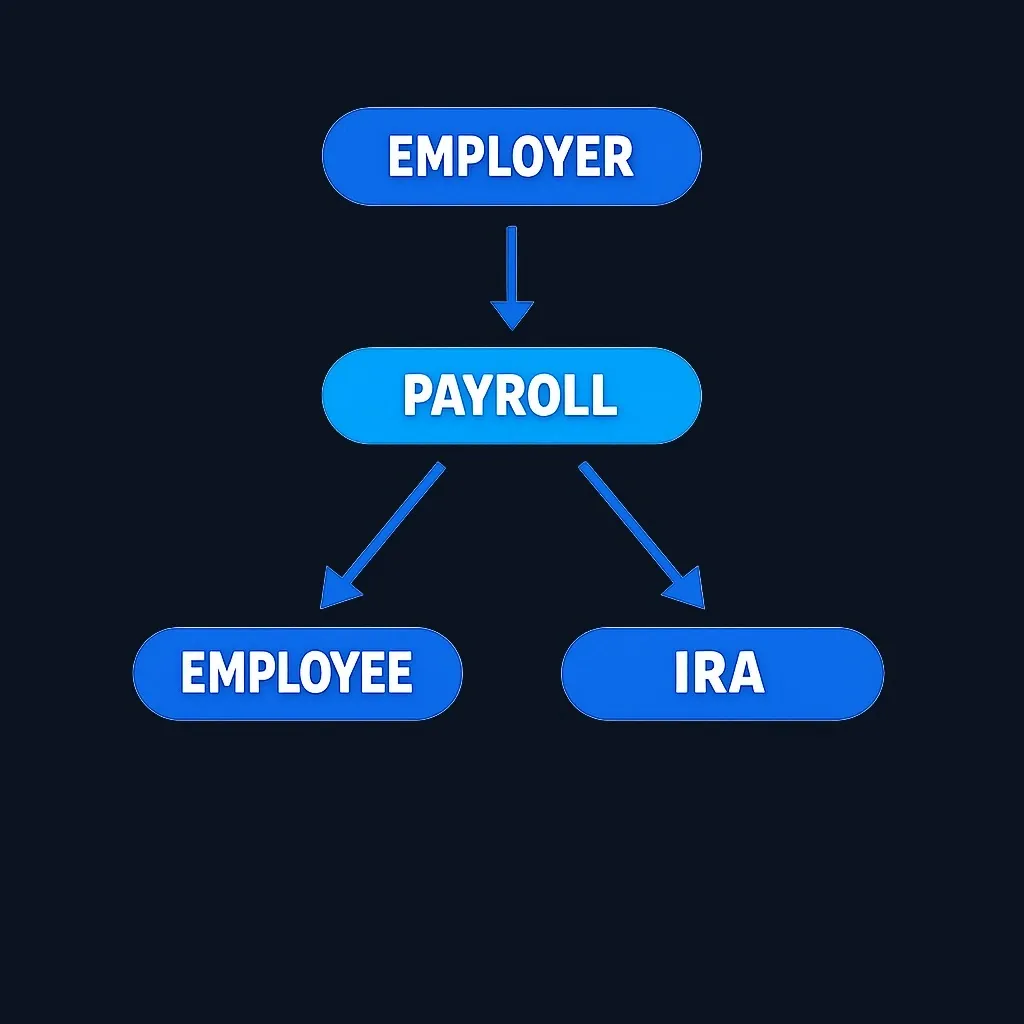
The important starting point is employer size. The IRS describes the SIMPLE 401(k) as a plan for a small business owner with “100 or fewer employees,” and says it is for the same small-employer audience as a SIMPLE IRA IRS. That makes the SIMPLE IRA worth considering when the business is still small and wants a benefit employees can understand quickly.
For decision-making, think of the SIMPLE IRA as a “keep it workable” option. It can be easier to explain to a small team because the main questions are usually: Who is eligible, how much can employees defer this year, what does the employer contribute, and where will the accounts be held?
What is a 401(k)?
A 401(k) is an employer-sponsored retirement plan category. In small-business comparisons, it usually comes up because it can support a more tailored retirement benefit than a basic small-business IRA arrangement.
The IRS also identifies a SIMPLE 401(k) as a subset of the 401(k) plan category IRS. That matters because “401(k)” is not one single design. A business may compare a SIMPLE IRA against a more traditional 401(k), a safe-harbor-style 401(k), or a small-business-focused 401(k) arrangement.
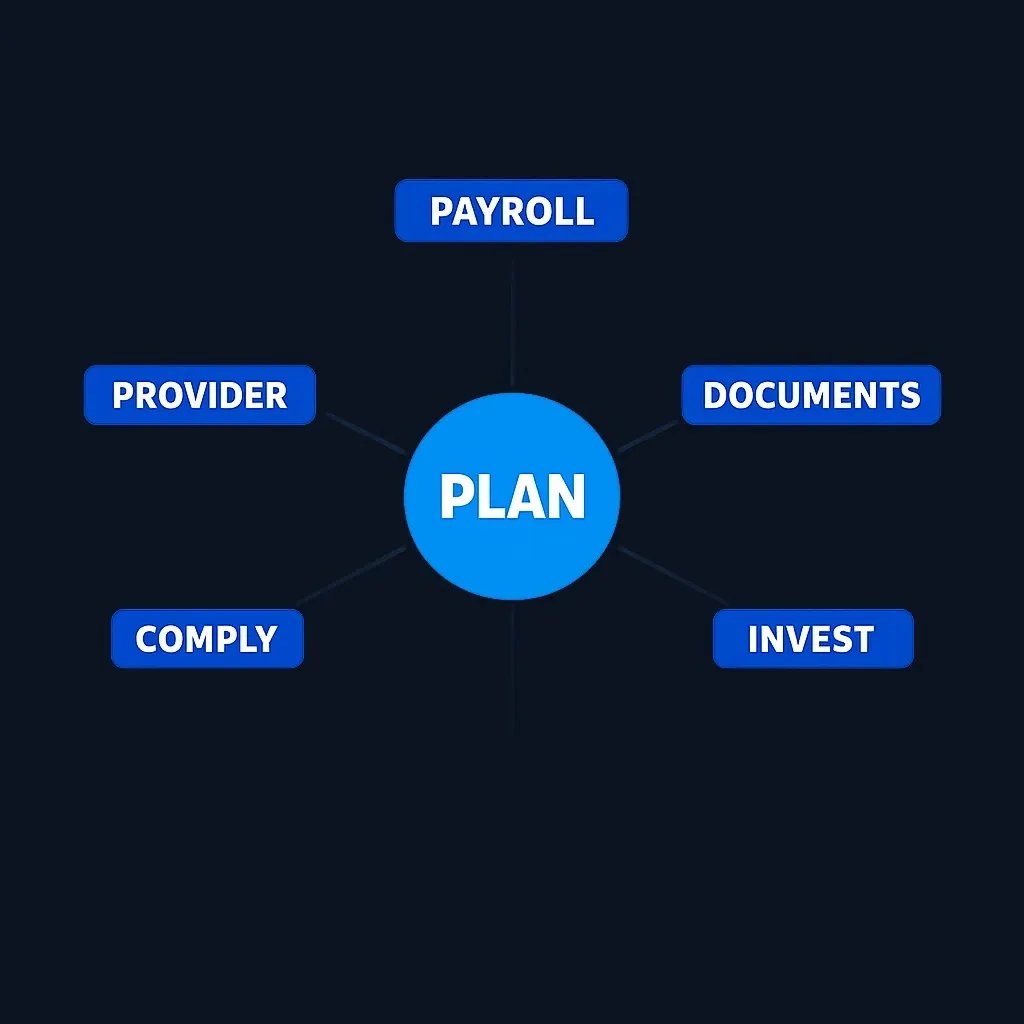
For owners, the 401(k) question is often less about whether the plan is familiar and more about whether the added flexibility is worth the extra work. That work can include coordinating payroll, plan documents, participant notices, investment menus, provider fees, and compliance support.
Side-by-side comparison table
| Decision area | SIMPLE IRA | 401(k) |
|---|---|---|
| Best fit | Small employers that want a straightforward retirement benefit | Employers that want more control over plan design and are ready for more administration |
| Employer-size screen | Built for the small-employer context; the IRS describes SIMPLE-style small-business plans as serving owners with 100 or fewer employees IRS | Available in several designs, including SIMPLE 401(k), which the IRS describes as a 401(k) subset for small business owners with 100 or fewer employees IRS |
| Contribution-limit comparison | Check the current annual employee deferral, catch-up, and employer contribution rules before deciding | Check the current annual employee deferral, catch-up, employer contribution, and total contribution rules before deciding |
| Employer contribution | Treat employer funding as a core cost line item before adopting the plan | More design choices may be available, so compare the exact match, nonelective, or profit-sharing formula in the plan proposal |
| Administrative burden | Often chosen when the business wants fewer plan-management tasks | Often chosen when the business can support more recordkeeping, provider coordination, and compliance work |
| Employee perception | May need clear communication so employees understand the value of the benefit | Employees may recognize the name, but the actual value depends on the plan’s fees, match, eligibility, and investment options |
| Growth planning | IRS guidance notes a two-year grace period if a SIMPLE-style small-employer plan exceeds 100 employees IRS | Can be designed with future growth in mind, but the right structure depends on provider support and plan documents |
| Cost question to ask | “What will employer contributions and account-level fees cost each year?” | “What will recordkeeping, administration, advisory support, and employer contributions cost each year?” |
Do not decide from a limit chart alone. Contribution limits matter, but the better plan is the one your business can fund, administer, explain, and maintain through growth.
Decision criteria
1. Start with the business stage
A small, stable team often values simplicity more than customization. If the owner has limited HR support, a plan that requires less day-to-day coordination may be easier to maintain.
A growing company has a different problem. It may need a plan that can support changing payroll systems, recruiting expectations, new employee groups, and more formal benefits communication. The IRS notes a two-year grace period if a SIMPLE-style small-employer plan grows beyond 100 employees, which helps growing businesses avoid an immediate cliff IRS.
2. Compare the limits that actually affect your people
Most comparison pages stop at employee deferral limits. A better comparison also includes owner goals, employer contributions, catch-up eligibility, compensation treatment, and whether the first year of the plan will be partial or full.
Use this quick worksheet before talking to a provider:
| Question | Why it matters |
|---|---|
| How much does the owner want to contribute this year? | Owner savings goals often drive the plan choice. |
| How many employees are likely to participate? | Participation affects employer cost and communication needs. |
| Will the business contribute for every eligible employee? | Employer funding can become the largest recurring cost. |
| Does payroll already support retirement deductions? | Payroll friction can create errors and employee frustration. |
| Will the business hire quickly in the next two years? | Growth can change eligibility, notices, and administration needs. |
If the owner’s savings goal is modest and the team is small, simplicity may matter most. If the owner wants a more advanced design, the 401(k) path may be worth evaluating.

3. Price the real administrative burden
Plan “cost” is not only provider fees. It also includes the owner’s time, payroll coordination, employee questions, annual notices, investment-menu review, and correction work if something goes wrong.
A practical test is simple: imagine the busiest month of your year. If payroll, bookkeeping, and HR already feel stretched, a plan that needs more ongoing coordination may create hidden costs. If the business has a controller, benefits lead, or outside advisor, it may be better prepared for a more flexible 401(k).
4. Consider employee communication
Employees do not judge a retirement plan only by its legal structure. They usually care about how much they can contribute, whether the employer contributes, how easy the account is to use, what the investments cost, and whether they can understand the plan.
For a SIMPLE IRA, communication should focus on clarity: who can join, how payroll deferrals work, what the employer contributes, and where to find account information. For a 401(k), communication may need to explain more choices, especially if the plan includes several contribution types or a broader investment menu.
When to choose each option
When a SIMPLE IRA often fits
A SIMPLE IRA can fit a business that wants to offer a retirement benefit without turning benefits administration into a major project. It is especially attractive when the owner wants a clear structure, employees need an easy explanation, and the company has limited HR capacity.
Consider a hypothetical five-person design studio. The owner wants to offer a retirement benefit because employees have started asking for one. Payroll is simple, there is no HR department, and the owner does not want to manage a complex plan. In that case, the SIMPLE IRA may solve the main problem: offering a credible savings option without overbuilding the benefits program.
A SIMPLE IRA can also help when predictable communication matters more than advanced features. Employees may not need a highly customized plan if they are mainly looking for a convenient payroll-based way to save.
When a 401(k) often fits
A 401(k) can fit a business that wants more room to design the retirement benefit. That may include a more competitive recruiting package, a plan that can grow with the company, or a structure that supports more detailed employer contribution choices.
Consider a hypothetical professional-services firm with 25 employees and a dedicated operations manager. The owner expects to add staff and wants a retirement plan that feels familiar to candidates coming from larger employers. The firm can handle provider meetings, employee education, and payroll coordination. In that setting, the added administration may be acceptable because the company wants a more scalable benefits structure.
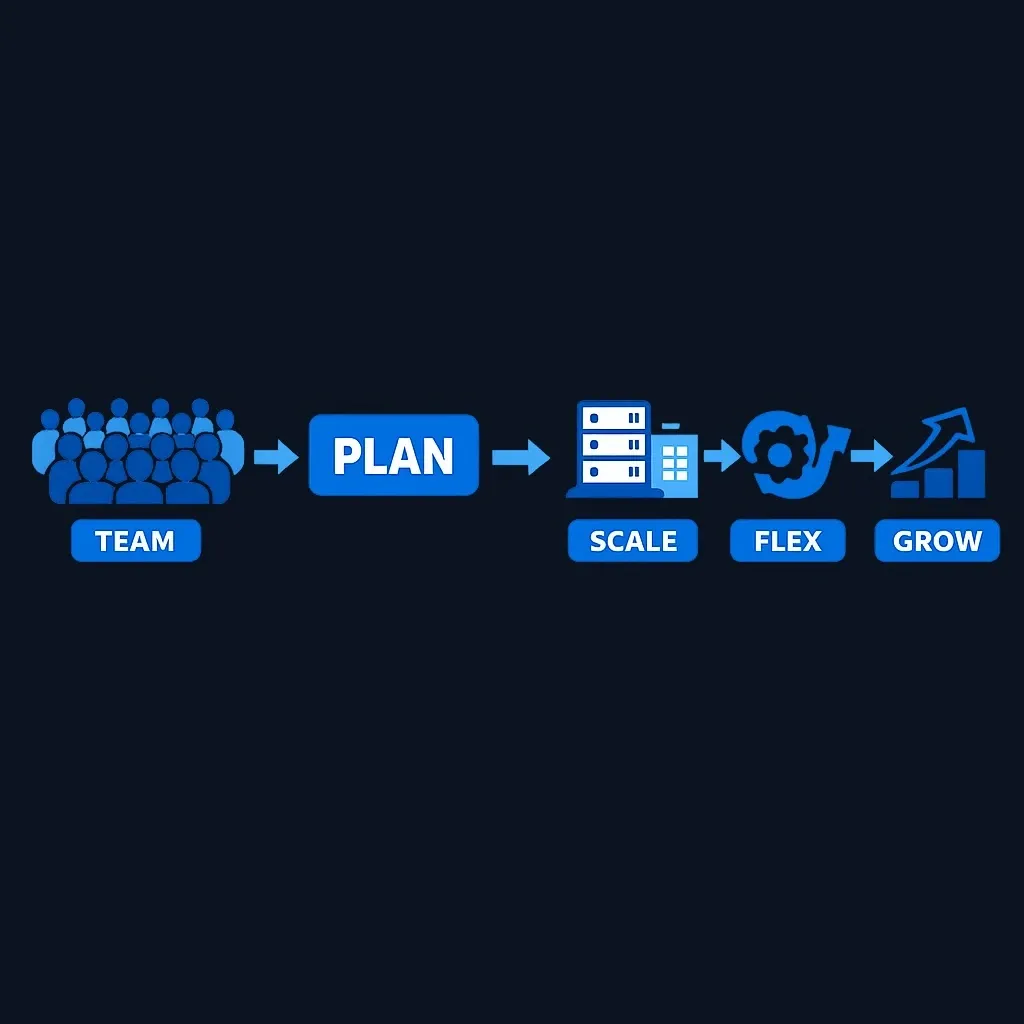
A 401(k) may also make sense when employee perception matters. Some employees see a 401(k) as the standard workplace retirement benefit. That perception is not the whole story, but it can affect recruiting and retention conversations.
A practical tie-breaker
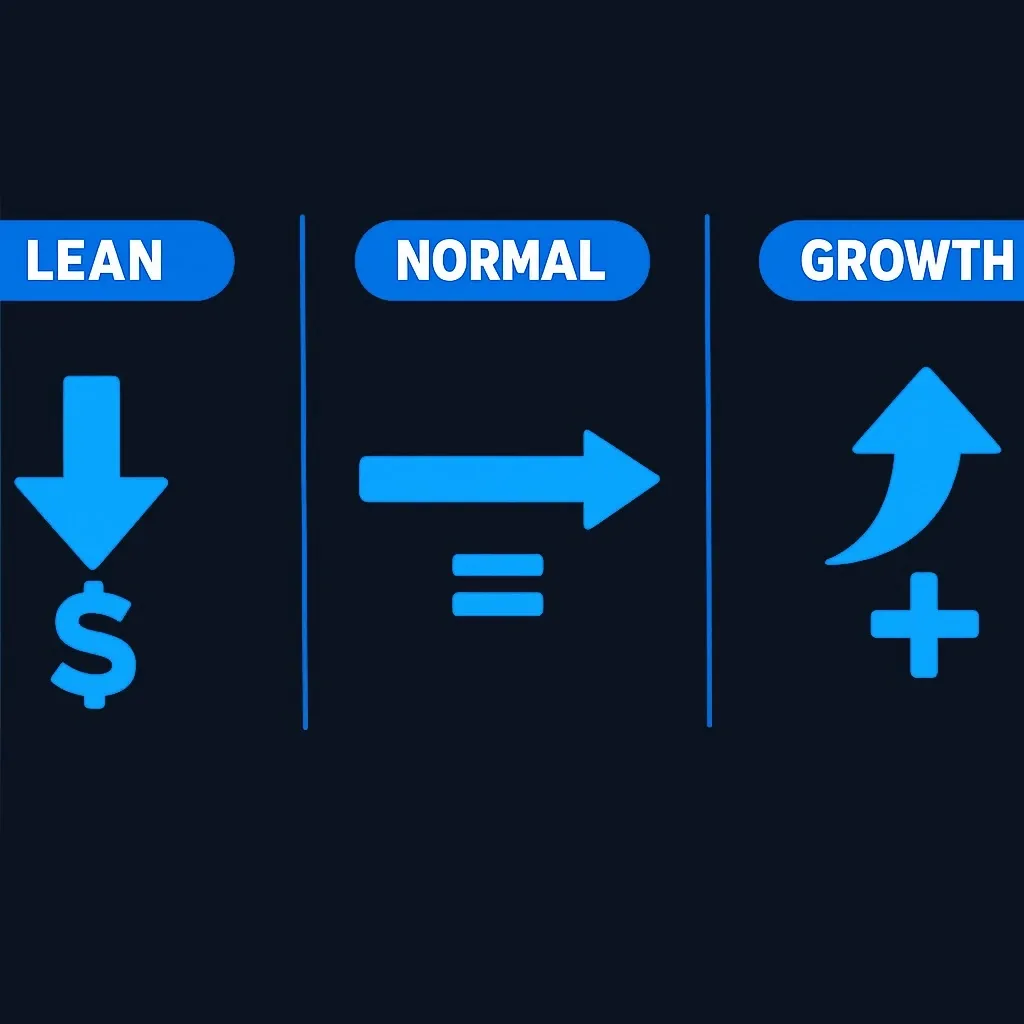
If both plans seem workable, compare them under three scenarios:
- Lean year: revenue is down, and cash flow is tight.
- Normal year: contributions and payroll run as expected.
- Growth year: the company hires, wages rise, and more employees participate.
The better plan is not only the one that looks best in a normal year. It is the one the business can still operate responsibly during stress and growth.
Tradeoffs and caveats
Simplicity can limit flexibility
A simpler plan is easier to run, but it may leave fewer levers to adjust as the business changes. That is not automatically bad. Many small employers need a dependable first retirement plan more than they need advanced design features.
The risk is choosing simplicity without modeling the next few years. If the owner expects rapid hiring, higher income, or more competitive benefits pressure, the first plan may feel too limited sooner than expected.
Flexibility can create hidden work
A 401(k) can offer more design room, but more design room also means more decisions. Someone must coordinate providers, understand plan documents, monitor costs, communicate with employees, and keep payroll aligned.
This is where many owners underestimate the burden. They compare only headline contribution opportunities and ignore the operating system needed behind the plan. A more flexible plan can be a strong fit, but only if the business can support it.
Growth can force a second decision
Employer size matters in the SIMPLE plan discussion. The IRS says SIMPLE-style small-business plans are aimed at owners with 100 or fewer employees, and it notes a two-year grace period if that threshold is exceeded IRS.
That grace period can help a growing business, but it should not replace planning. If hiring is likely, ask providers how a future transition would work before choosing the first plan.
Employee perception needs active management
Some employees may assume a SIMPLE IRA is less valuable than a 401(k). Sometimes that perception reflects real differences in plan design. Other times, it reflects familiarity with the 401(k) name.
The fix is not to oversell the plan. Instead, give employees a plain-language one-page summary: eligibility, contribution process, employer contribution, investment provider, fees to review, and where to ask questions. A well-explained simple plan can feel more useful than a complex plan employees do not understand.
Practice investing with Finelo
Build practical investing skills with guided lessons, simulator practice, and structured challenges.
Tax Implications of Each Plan
Taxes should be part of the comparison, but they should not be handled from a generic article alone. The key tax questions depend on plan design, contribution type, timing, payroll setup, business structure, and distribution rules.
For a practical review, ask your provider or tax professional these questions before adoption:
- Which contributions are employee deferrals, employer contributions, or both?
- When must contributions be deposited?
- How will payroll report contributions?
- What happens if an employee leaves?
- What rules apply to withdrawals, rollovers, and required notices?
- How do state tax rules interact with the plan?
For owners, the biggest mistake is treating “tax-advantaged” as a complete answer. A plan can be tax-advantaged and still be a poor fit if the employer cost is too high, the administration is too heavy, or employees do not understand how to use it.
FAQ
What are the main differences between a SIMPLE IRA and a 401(k)?
The main differences are plan complexity, employer-size fit, design flexibility, contribution rules, and administrative workload. A SIMPLE IRA is usually evaluated as a streamlined small-business option, while a 401(k) is usually evaluated for flexibility and scalability.
Which plan is better for small businesses?
Neither plan is universally better. A SIMPLE IRA may fit a small employer that values ease and predictable administration, while a 401(k) may fit a business that wants more plan design options and can manage added complexity.
How do employer contributions work?
Employer contributions are one of the most important cost drivers in either plan. Before choosing, compare the exact employer contribution formula in the plan documents or provider proposal, then model the cost across low, normal, and high participation.
What happens if my business grows beyond 100 employees?
The IRS says SIMPLE-style small-business plans are for owners with 100 or fewer employees and notes a two-year grace period if the business exceeds 100 employees IRS. If growth is likely, discuss transition planning before selecting the plan.
Bottom line
A SIMPLE IRA may be relevant when a small employer prioritizes standardized rules and lower administrative complexity. A 401(k) may be relevant when the employer needs additional design flexibility and is prepared for greater administration. Eligibility, employee coverage, current limits, costs, and plan-document terms should be verified before selecting either.
The strongest decision process is to model three things together: contribution limits, employer cost, and operating workload. A plan that looks attractive on paper can fail if payroll, employee communication, or compliance support is not ready. Conversely, a simpler plan can be a strong first step when it matches the company’s size, cash flow, and employee needs.
Sources and Further Verification
More from Finelo
- Solo 401(k) vs. SEP IRA: Limits, Costs, and Which Plan Fits Your Business
- After-Tax 401(k) vs. Roth 401(k): Key Differences
- Cash Balance Plan vs. 401(k): Limits, Costs, and Which Plan Fits
Disclaimer
This article is provided by Finelo for educational and informational purposes only. Finelo does not provide financial, investment, tax, legal, or insurance advice. Consider your circumstances and consult an appropriately qualified professional before making financial decisions.
InvestingBeginner GuideFinancial Education
Practice investing with Finelo
Build practical investing skills with guided lessons, simulator practice, and structured challenges.
About the author
Finelo Team
The Finelo Team creates practical investing and trading education designed to help beginners learn faster with structured challenges, simulator practice, and bite-sized lessons.
Keep reading — Related articles
Investing
Yield to Call vs Yield to Maturity: Assumptions and Bond Risks
Yield to call (YTC) estimates a bond's yield if the issuer redeems it on an eligible call date; yield to maturity (YTM) estimates yield if it remains outstanding to final maturity.
Finelo Team
Investing
Will My Employer Know If I Take a 401(k) Loan?
Who this page is for: readers new to 401(k) loans who want a practical, privacy‑focused explanation — what your employer can see, how to limit visibility, and the financial tradeoffs to weigh.
Finelo Team
Investing
What Medical Expenses Qualify for a 401(k) Hardship Withdrawal?
Before you decide, confirm three things with your plan administrator:
Finelo Team