Last editorial review: September 8, 2026
Wine Investing for Beginners: Storage, Fees, Valuation, and Risks
Wine investing means buying collectible bottles or cases with the goal of selling them later at a higher price. Unlike a dividend stock or rental property, wine does not produce income while…
14 min read
Practice investing with Finelo
Build practical investing skills with guided lessons, simulator practice, and structured challenges.
Want to learn more?
Build practical investing skills with guided lessons, simulator practice, and structured challenges.
Explore FineloExplore Finelo's 28-day challenges
Turn learning into a daily habit with guided challenge paths.
U.S. scope: This article discusses U.S. institutions, financial products, tax rules, and dollar examples unless stated otherwise. Rules and product terms may change; verify current official guidance for your situation.
Quick answer
Wine investing means buying collectible bottles or cases with the goal of selling them later at a higher price. Unlike a dividend stock or rental property, wine does not produce income while you hold it. Its value depends on demand, scarcity, condition, provenance, storage quality, and the buyer pool available when you sell.
For beginners, the main question is not “Which bottle will rise fastest?” It is “Can I buy the right wine, verify it, store it properly, absorb fees, and exit without being forced to sell?” This article is educational, not financial or investment advice. Investing can involve loss.
What to know before deciding
Wine investing is best understood as a physical-asset strategy, not a simple market trade. You own something fragile, perishable, and condition-sensitive. That creates opportunities for knowledgeable collectors, but it also creates costs and risks that many beginners underestimate.
This page is for readers exploring wine as an alternative investment. You do not need advanced wine knowledge, but you do need patience and a process. If you want daily liquidity, visible market prices, and simple execution, wine may feel frustrating. If you enjoy research and can think in multi-year holding periods, it may be worth learning more.
The first decision is whether you want direct ownership or managed exposure. Direct ownership gives you more control over bottle selection, storage, and selling route. A specialist platform can simplify sourcing and custody, though you still need to understand title, fees, storage, and exit terms. The category has become more institutionalized; for example, Vinovest described itself in an SEC filing as a fine wine and whisky investing platform with “over $150 million invested” SEC filing.
Before you buy, answer four questions:
- Can you hold through a slow resale period?
- Do you understand all recurring and exit costs?
- Can you prove where the wine came from and how it was stored?
- Would you still be comfortable if resale prices fell?
If any answer is unclear, slow down. Wine investing rewards documentation and discipline more than quick enthusiasm.
How the fine wine market works and what moves prices
The fine wine market includes collectors, merchants, auction houses, brokers, storage providers, and specialist platforms. Prices are shaped by both wine-specific qualities and broader demand for luxury collectibles. The same bottle can be viewed as something to drink, collect, gift, or resell, which makes pricing less transparent than listed securities.
Demand, scarcity, and reputation
Collectible wine often gains attention when supply is limited and demand is broad. A famous producer, respected vintage, and strong critical reception can all increase buyer interest. Scarcity alone is not enough. A rare bottle with weak demand may remain difficult to sell.
Reputation matters because buyers need confidence. Established estates and recognizable regions tend to have deeper collector interest. Beginners often encounter names from Bordeaux, Burgundy, Champagne, Napa, Tuscany, and the Rhône, but region alone does not make a bottle investment-grade.
Provenance and condition
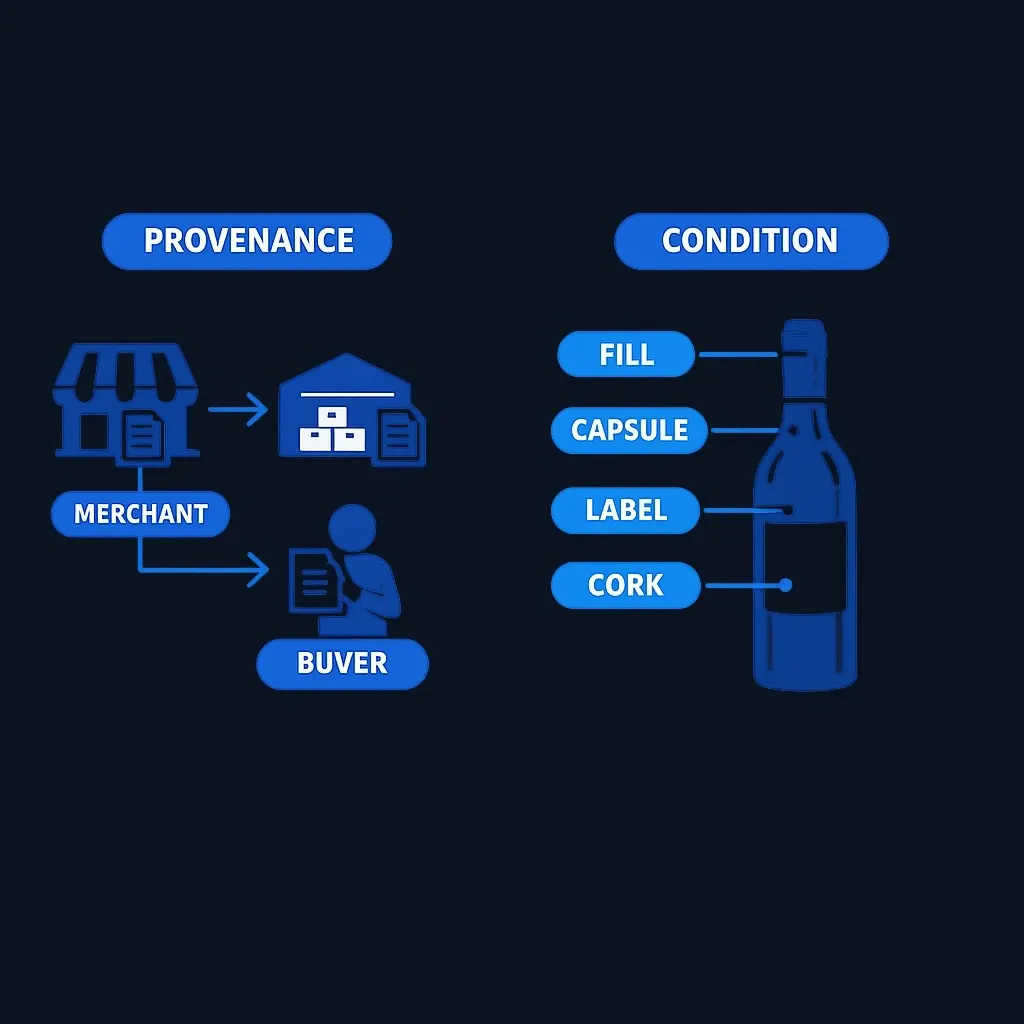
Provenance means the documented ownership and storage history of a bottle or case. It is one of the most important concepts in wine investing. A buyer wants to know that the wine was purchased from a credible source, stored correctly, and transferred carefully.
Condition is the visible and physical state of the bottle. Buyers may examine fill level, capsule, cork condition, label damage, seepage, and packaging. A wine can have an excellent label and vintage, yet lose marketability if its history is unclear.
Valuation is not one number
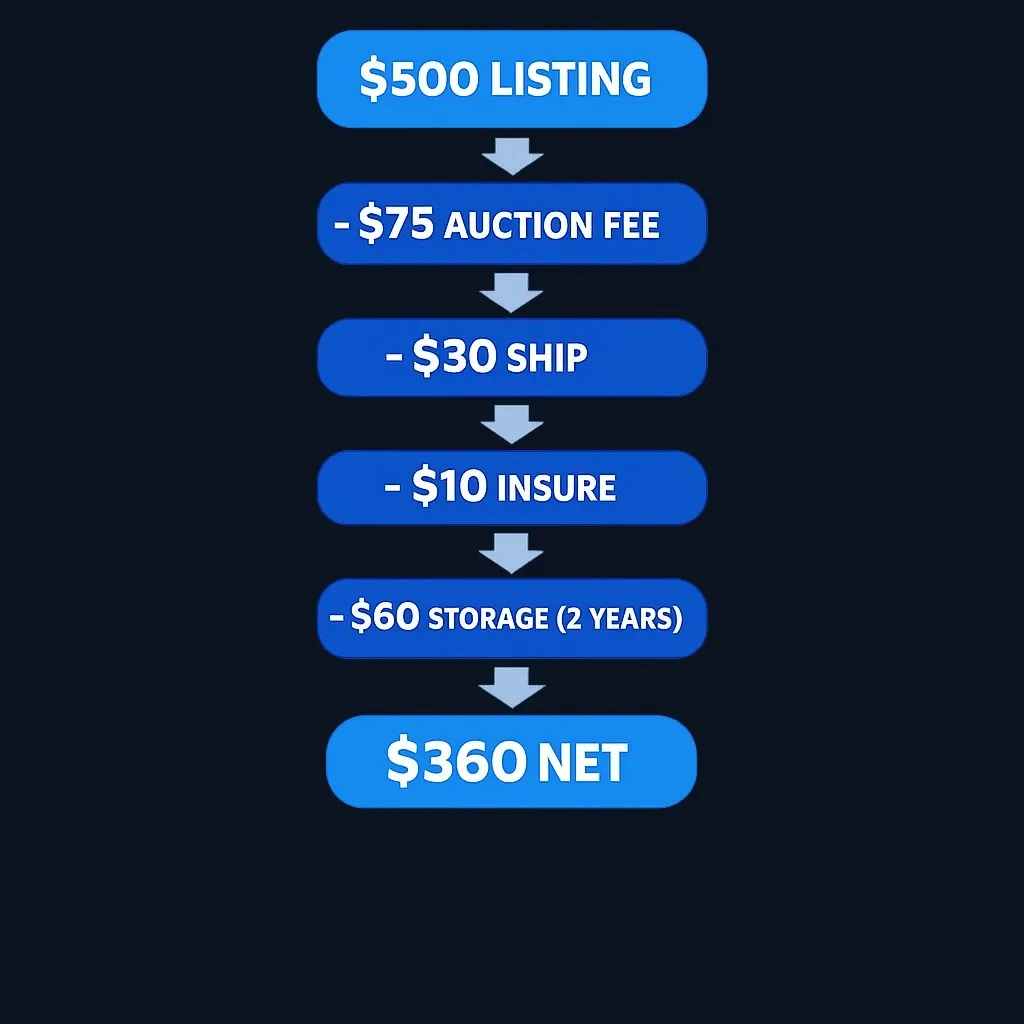
A beginner mistake is treating the highest online listing as “the price.” Asking prices, auction estimates, and realized sale prices can differ. Transaction fees, shipping, insurance, and storage also affect the value you actually receive.
A practical approach is to look for a range. Compare recent visible offers, likely selling route, bottle condition, and any costs needed to complete the sale. If your expected profit disappears after fees, the investment case is weaker than the headline price suggests.
Types of investment-grade wines
Investment-grade wine is not simply expensive wine. It is wine with a credible chance of attracting future buyers under acceptable resale conditions. The strongest candidates usually combine aging potential, producer recognition, scarcity, documented provenance, and active secondary-market interest.
Common traits to look for
Use this checklist before treating any bottle as an investment candidate:
| Factor | Why it matters | Beginner check |
|---|---|---|
| Producer reputation | Recognizable producers attract more buyer confidence | Can you find consistent demand beyond one seller’s description? |
| Vintage quality | Some years create stronger aging and collector interest | Is the vintage widely discussed by critics and merchants? |
| Scarcity | Limited supply can support collector demand | Is production genuinely limited, or just marketed that way? |
| Provenance | Buyers pay more confidently for documented history | Do you have invoices, storage records, and transfer records? |
| Condition | Poor condition can reduce resale interest | Are bottle photos and condition reports available? |
| Storage history | Heat, light, and movement can damage wine | Has it stayed in professional or carefully controlled storage? |
| Exit market | You need buyers when you sell | Are similar bottles actively traded through credible channels? |
A good candidate does not need to score perfectly on every line. But provenance, condition, and storage are hard filters. If those are weak, the label may not matter.
What are the best wines to invest in?
The better beginner question is “Which wines have durable demand and clean documentation?” Many investors start by studying established fine-wine regions and producers because there is more resale history to review. That does not mean lesser-known regions are impossible. It means the burden of research is higher.
Be careful with “hot tip” lists. A bottle can be popular, expensive, and still unsuitable for your goals. The best candidate for one collector may be wrong for another because of budget, storage access, time horizon, and exit route.
Wine futures and en primeur
Wine futures, often called en primeur in some markets, involve buying wine before it is physically released. The appeal is early access. The risk is that future market prices may not justify the commitment, and you may wait before taking delivery.
Beginners should be especially careful here. You need confidence in the merchant, producer, release terms, and your ability to store or sell later. If you do not understand the process, start with already-bottled wine where condition and documentation are easier to inspect.
Costs, storage, and maintenance
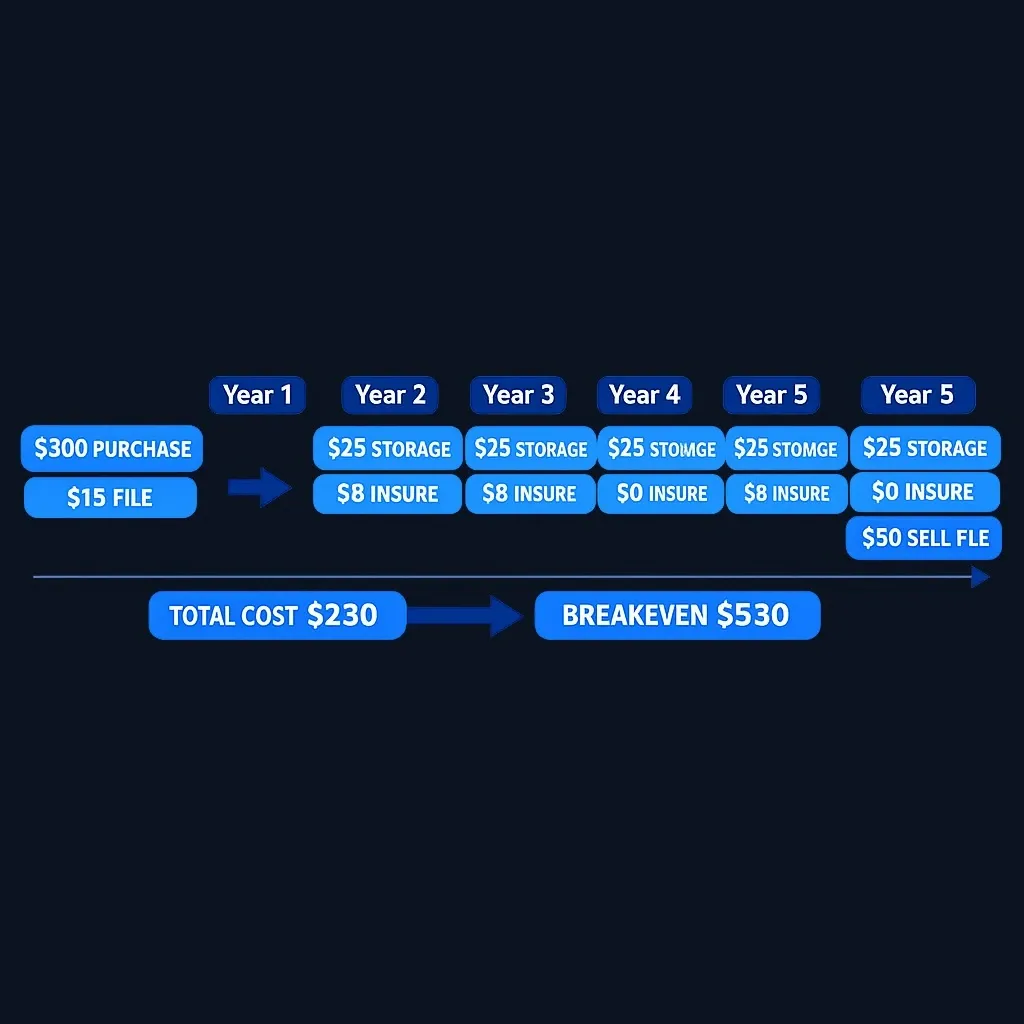
Wine investing has a total cost of ownership. The purchase price is only one part. Storage, insurance, transaction fees, shipping, authentication, and selling costs can all reduce net proceeds.
Costs to plan for
Common cost categories include:
- Purchase spread or merchant markup
- Auction buyer fees or seller commissions
- Storage charges
- Insurance
- Shipping and handling
- Authentication or inspection
- Currency conversion, where relevant
- Platform or account fees, if using a managed service
The key is to model costs before buying. A bottle that appears attractive at purchase can become unattractive after several years of storage and sale expenses. Small purchases are especially sensitive because fixed costs can consume a larger share of potential gains.
How to compare platforms and providers
Do not choose a provider based only on a polished interface or a promoted return chart. Ask for the exact terms that affect your ownership and exit. If a platform, merchant, or storage provider will not give clear answers, treat that as a warning sign.
Use this comparison worksheet:
| Question | Why it matters |
|---|---|
| Who legally owns the wine? | You need clarity on title and custody. |
| Where is it stored? | Storage location affects documentation, access, and logistics. |
| Is insurance included? | Damage or loss can affect your entire position. |
| What are all fees? | Recurring and exit fees change net returns. |
| Can you inspect bottle records? | Photos, invoices, and storage logs support resale. |
| How do you sell? | Exit routes determine timing, cost, and buyer access. |
| Can you transfer the wine out? | Portability matters if you change provider. |
When comparing fee structures, request the current official fee schedule directly from each provider. Look for purchase fees, annual storage, insurance, withdrawal charges, selling commissions, and any minimum account terms. Avoid relying on old screenshots or third-party summaries.
How should you store a wine investment?
Storage is not a cosmetic issue. It protects both drinkability and resale confidence. Wine can lose value if buyers suspect heat exposure, poor humidity control, excessive light, vibration, or weak chain-of-custody records.
Home storage may work for personal drinking collections, but investment holdings need stronger documentation. A professional facility can provide inventory records, transfer paperwork, and condition reporting. Those records may matter when a buyer or auction house evaluates the bottle later.
A practical storage checklist:
- Keep purchase invoices and merchant receipts.
- Store bottles in a stable, controlled environment.
- Avoid unnecessary movement and light exposure.
- Photograph bottles or cases when received.
- Keep records of every transfer.
- Confirm what insurance covers during storage and transit.
- Review inventory reports regularly.
If you plan to sell through a broker, auction house, or platform, ask which storage records they prefer before you buy. Designing the exit path early can prevent expensive surprises later.
Decision framework
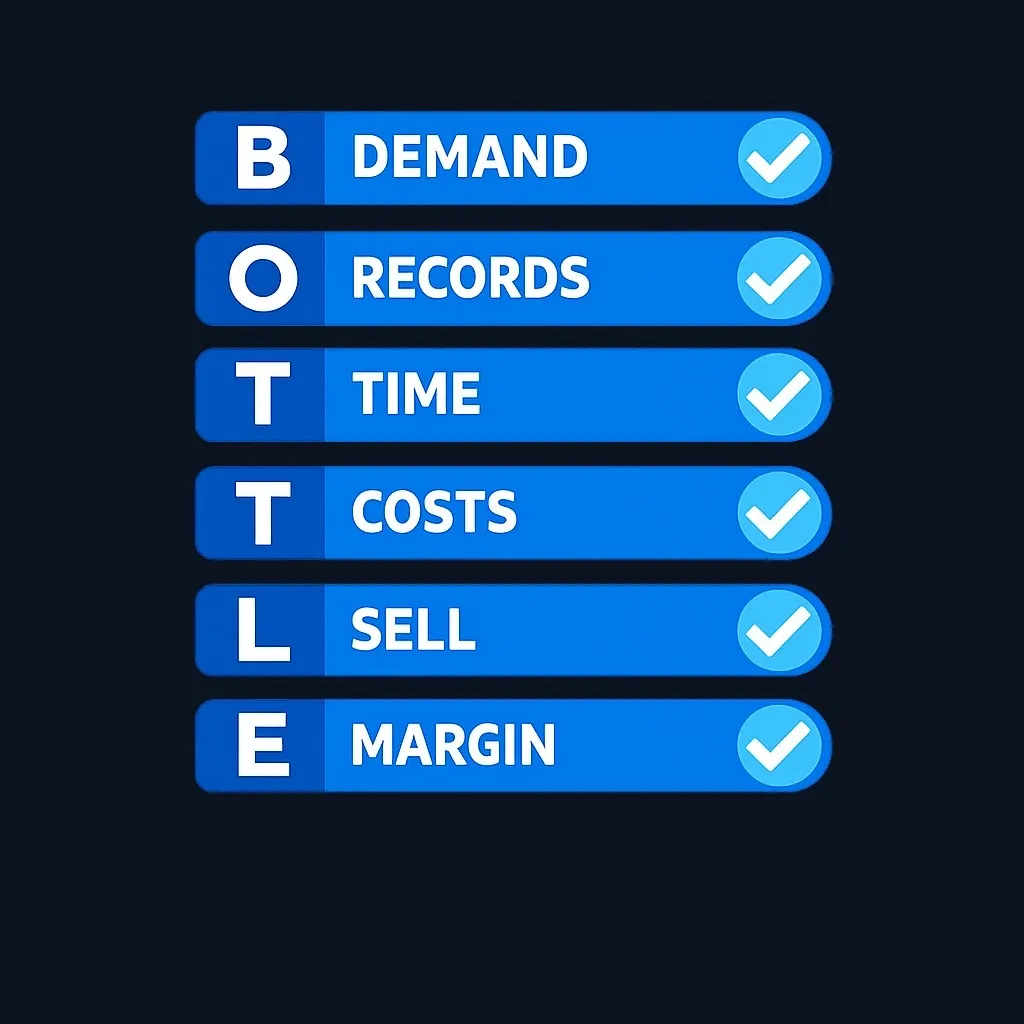
A simple framework can stop wine investing from becoming label-chasing. Use the “BOTTLE” test before any purchase.
The BOTTLE test
B — Buyer demand: Can you identify likely future buyers or active resale channels?
O — Ownership records: Can you document purchase source, title, and storage history?
T — Time horizon: Can you hold long enough without needing forced liquidity?
T — Total costs: Have you included storage, insurance, transaction, and exit costs?
L — Liquidity route: Do you know how you would sell and what that process may involve?
E — Error margin: Is the opportunity still reasonable if prices disappoint or costs rise?
If a bottle fails two or more parts of this test, it is probably not beginner-friendly. The framework does not predict returns. It helps you avoid purchases where the operational risk is larger than the investment thesis.
A worked beginner scenario
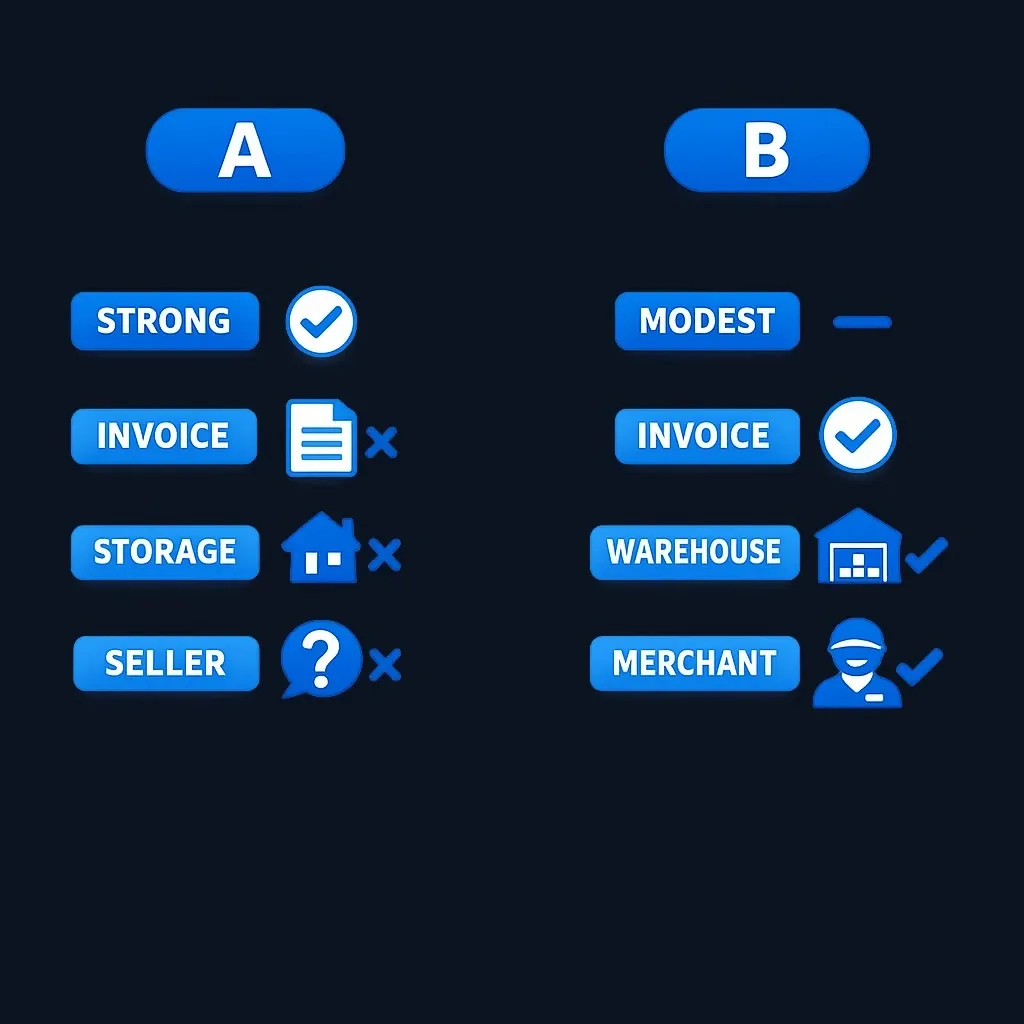
Imagine two possible purchases.
The first is a famous bottle offered without invoices, stored privately, and sold by someone you do not know. The label is attractive, but documentation is weak. Even if the wine is genuine, a future buyer may discount it or refuse it.
The second is a less exciting case from a respected merchant, with clear invoice records and professional storage documentation. It may not sound as glamorous, but it is easier to explain, verify, insure, and resell.
For a beginner, the second purchase often creates a cleaner learning path. Wine investing is not only about finding bottles. It is about preserving trust from purchase to sale.
Practice investing with Finelo
Build practical investing skills with guided lessons, simulator practice, and structured challenges.
Risks and challenges of wine investing
Wine investing has risks that differ from mainstream public-market investing. Some are market risks, while others are operational. You need to manage both.
Illiquidity
Wine can take time to sell. You may need to work through a broker, auction house, merchant, platform, or private buyer. If you must sell quickly, you may accept a lower price or higher fees.
The fix is planning. Do not use money you may need soon. Decide your likely exit route before buying, and understand what documentation that route requires.
Fraud and authenticity
Counterfeit or misrepresented bottles can create serious losses. The risk is higher when provenance is weak, the seller is unknown, or the deal seems unusually favorable.
Reduce this risk by buying from credible sources, keeping paperwork, and avoiding unsupported claims. For higher-value bottles, consider independent inspection or authentication before purchase.
Storage failure
Improper storage can damage wine and undermine resale confidence. Even a brief period of poor handling can create doubt. Buyers do not only ask what the label is; they ask where it has been.
Use storage that matches your resale goals. If you store at home, document conditions carefully. If you use a provider, confirm records, insurance, and transfer procedures.
Market and taste risk
Wine demand changes. A region, producer, vintage, or style can fall out of favor. Prices may also reflect broader luxury spending conditions, not just wine quality.
Diversification can help, but it does not remove risk. Avoid concentrating too much capital in one producer, one region, or one buying theme. Keep expectations conservative and review your assumptions regularly.
Fee drag
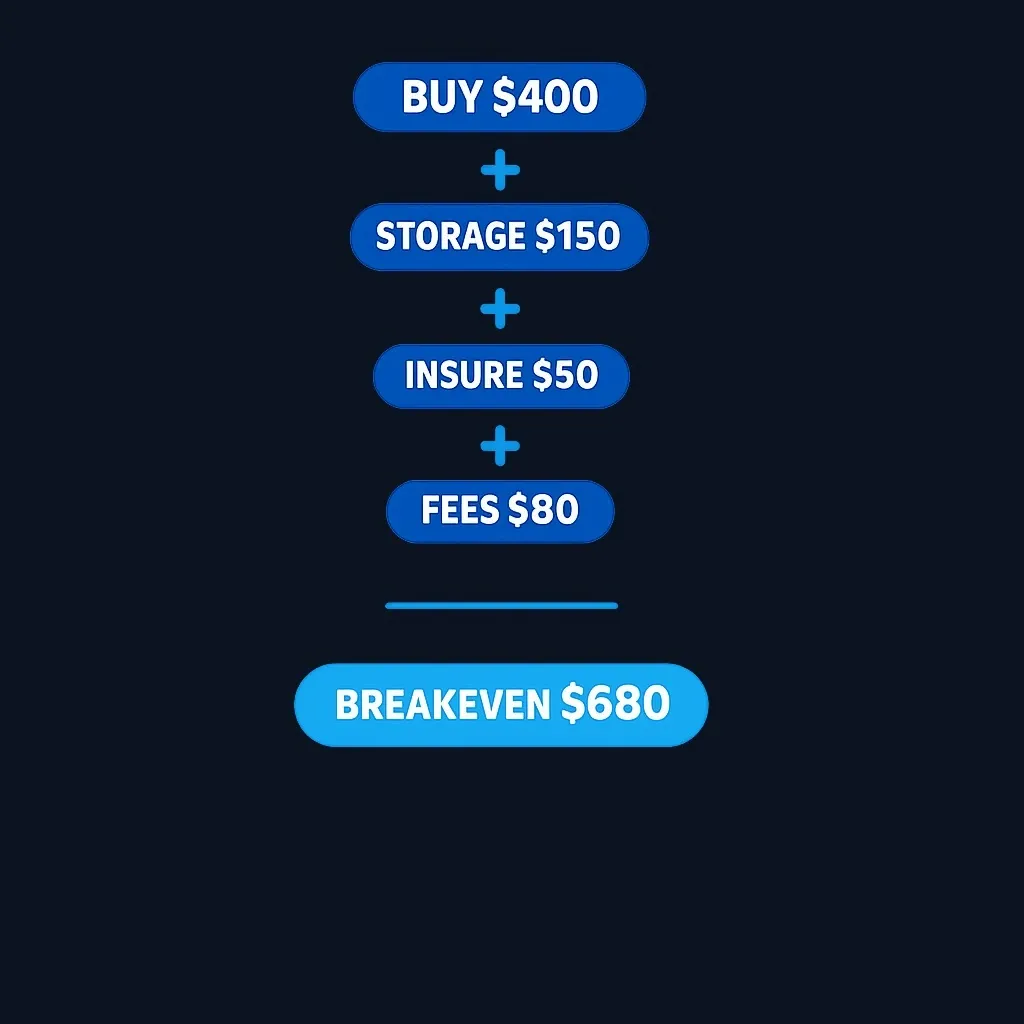
Fees can quietly turn a good-looking purchase into a weak outcome. Storage, insurance, auction commissions, shipping, and platform charges all matter. Model them before you buy, not when you sell.
A useful rule is to calculate a break-even sale price. Include all expected holding and exit costs. If the required resale price feels unrealistic, pass or reduce the position size.
Comparative Analysis: Wine Investing vs. Other Alternative Investments
Wine competes with other alternative assets, including art, watches, classic cars, private funds, and real estate-related products. Each has a different mix of liquidity, storage, expertise, and price transparency.
| Asset type | Main appeal | Main challenge | Beginner fit |
|---|---|---|---|
| Fine wine | Tangible collectible with specialist buyer demand | Storage, provenance, and resale friction | Better for patient learners |
| Art | Unique assets and collector prestige | Valuation can be subjective and sales can be slow | Requires expert guidance |
| Watches | Smaller physical items and visible collector culture | Authenticity, condition, and trend risk | Easier to store, still specialized |
| Classic cars | Enjoyment plus collector demand | Maintenance, storage, insurance, and condition risk | Operationally demanding |
| Public securities | High accessibility and daily pricing | Market volatility and behavioral risk | Simpler execution for most beginners |
Wine’s strongest appeal is that it combines tangible ownership with a defined collector culture. Its main weakness is operational complexity. You must protect the asset, preserve records, and find the right buyer.
Compared with public securities, wine is usually less convenient. There is no simple “sell” button for a privately stored case. Compared with some collectibles, wine has the advantage of established specialist merchants and auction channels, but the bottle’s condition remains central.
A sensible comparison starts with your needs. If you need liquidity and low administration, wine may not fit. If you want to study an alternative asset and can accept custody work, wine can be a niche area to evaluate.
Building your wine investment portfolio
Start with process, not prediction. Build a watchlist, study realized prices where available, compare storage options, and speak with credible merchants or platforms before committing capital. Your first goal is to learn how the market works without taking avoidable operational risk.
A beginner action plan:
- Define your budget, time horizon, and maximum acceptable loss.
- Learn the language of provenance, vintage, condition, and storage.
- Compare at least two buying routes before purchasing.
- Request written fee, storage, insurance, and exit terms.
- Start smaller than your enthusiasm suggests.
- Keep every document from purchase through sale.
Wine investing can be interesting, but it is not effortless. The investors most likely to avoid mistakes are those who treat documentation and storage as seriously as bottle selection.
FAQ
What is wine investing?
Wine investing is the purchase of collectible wine with the intention of selling it later. The investment case depends on demand, scarcity, provenance, condition, and storage quality rather than cash income.
How do I start investing in wine?
Start by learning how fine wine is valued, then compare buying routes such as merchants, auctions, brokers, and specialist platforms. Before purchasing, confirm storage, insurance, fees, title, documentation, and how you would eventually sell.
What are the risks of wine investing?
The main risks are illiquidity, price declines, fraud, poor storage, unclear provenance, and fee drag. These risks can be reduced with documentation, credible sellers, professional storage, conservative assumptions, and a clear exit plan.
How should I store my wine investment?
Store investment wine in conditions that preserve quality and create resale confidence. Keep invoices, storage receipts, transfer records, photos, and insurance documents so a future buyer can verify the wine’s history.
Sources and Further Verification
More from Finelo
- Art Investing for Beginners: Costs, Liquidity, Valuation, and Risks
- Sports Card Investing for Beginners: Grading, Costs, Liquidity, and Risks
- Best Investing Newsletters for Beginners in 2026
Disclaimer
This article is provided by Finelo for educational and informational purposes only. Finelo does not provide financial, investment, tax, legal, or insurance advice. Consider your circumstances and consult an appropriately qualified professional before making financial decisions.
InvestingBeginner GuideFinancial Education
Practice investing with Finelo
Build practical investing skills with guided lessons, simulator practice, and structured challenges.
About the author
Finelo Team
The Finelo Team creates practical investing and trading education designed to help beginners learn faster with structured challenges, simulator practice, and bite-sized lessons.
Keep reading — Related articles
Investing
Yield to Call vs Yield to Maturity: Assumptions and Bond Risks
Yield to call (YTC) estimates a bond's yield if the issuer redeems it on an eligible call date; yield to maturity (YTM) estimates yield if it remains outstanding to final maturity.
Finelo Team

Investing
Will My Employer Know If I Take a 401(k) Loan?
Who this page is for: readers new to 401(k) loans who want a practical, privacy‑focused explanation — what your employer can see, how to limit visibility, and the financial tradeoffs to weigh.
Finelo Team
Investing
What Medical Expenses Qualify for a 401(k) Hardship Withdrawal?
Before you decide, confirm three things with your plan administrator:
Finelo Team


