The trade war just knocked on the door of the world's most valuable company — on the eve of its earnings report.
US Senators Warn Apple Over CXMT and YMTC Chips: What It Means for the Memory Market
US senators are pressing Apple to avoid CXMT and YMTC memory chips. Here's why the August 21 deadline matters for Apple and global memory stocks.
4 min read
Practice trading with Finelo
Practice in a simulator, learn with bite-sized lessons, and build confidence before risking real money.
Want to learn more?
Practice in a simulator, learn with bite-sized lessons, and build confidence before risking real money.
Explore FineloExplore Finelo's 28-day challenges
Turn learning into a daily habit with guided challenge paths.
A bipartisan group of US senators has urged Apple to abandon reported plans to source memory chips from Chinese manufacturers CXMT and YMTC, even for iPhones sold only in China, according to Bloomberg. The lawmakers note both companies appear on a Pentagon list of Chinese military-linked firms — YMTC also sits on the Commerce Department's Entity List — and warned that qualifying their chips for any Apple products "could pave the way for broader use later." They asked Apple to commit by August 21 to staying away, and to disclose any technical information already shared.
If CXMT sounds familiar, it should: this is the same memory maker whose 466% IPO helped set off Korea's market crash last week, and whose rise has haunted Samsung, SK Hynix, SanDisk, and Micron all month. The story that has been moving markets from Seoul to Amsterdam just reached Cupertino.
Why Apple would even consider it
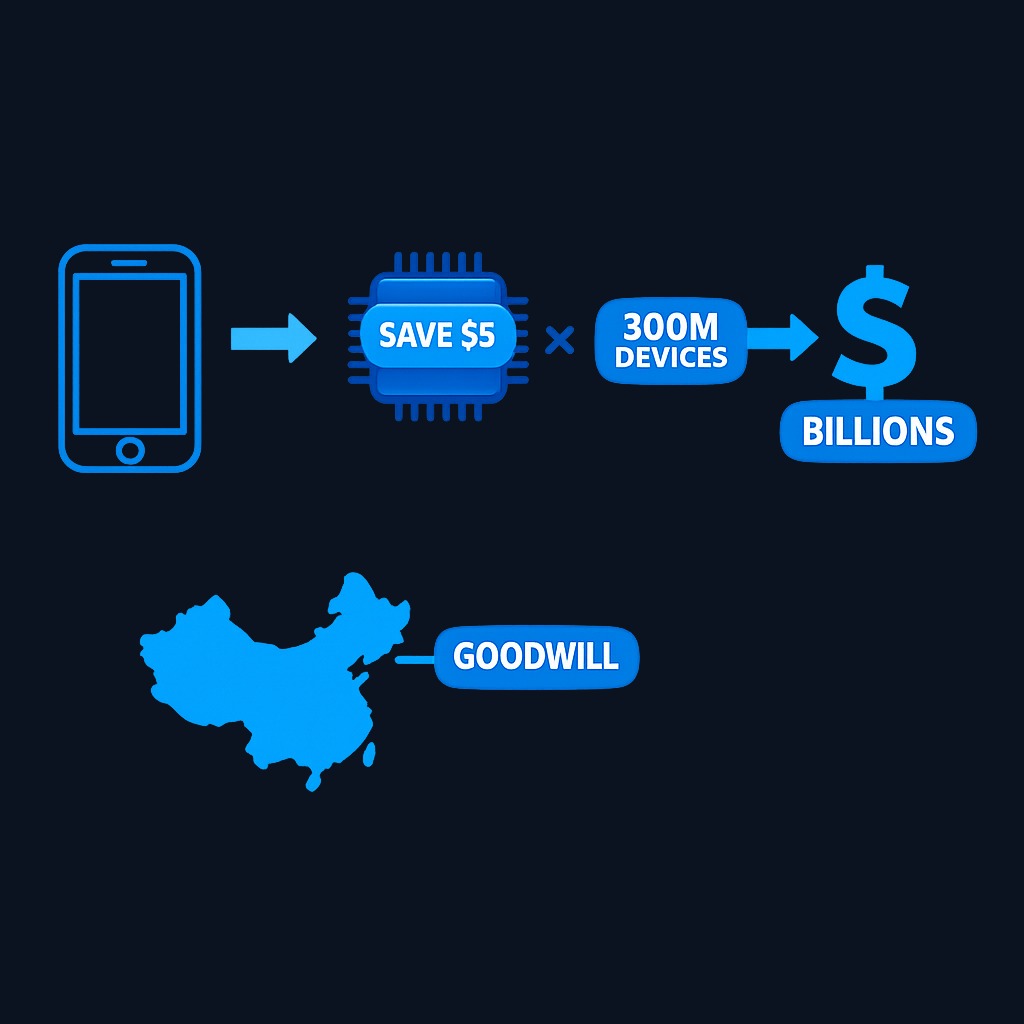
Simple economics. Memory is one of the priciest components in every device, the global memory market is historically tight (that tightness is exactly why memory stocks went vertical this year), and Chinese suppliers offer capacity at lower cost — particularly attractive for devices sold inside China, where using local suppliers also buys goodwill in Apple's second-most-important market. For a company that ships hundreds of millions of devices, even small per-unit savings compound into billions.
Why Washington objects
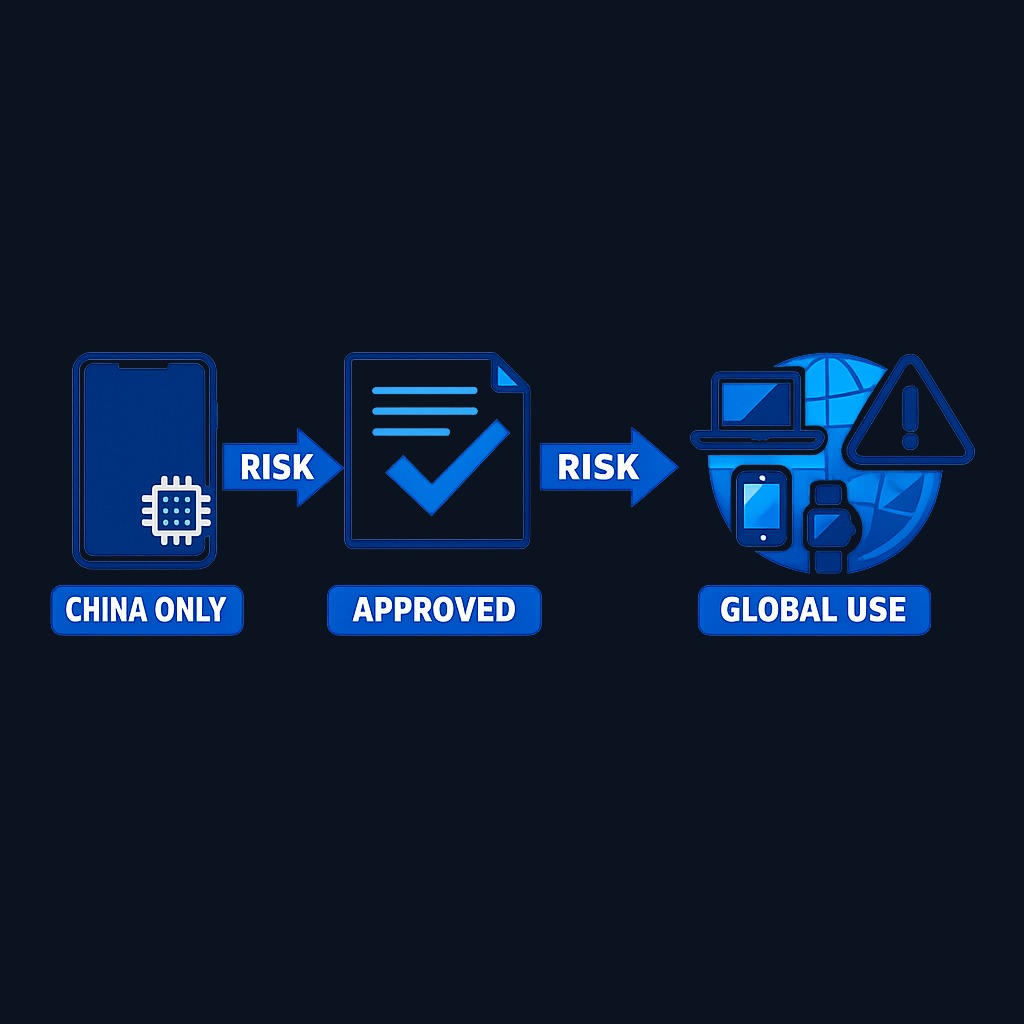
The senators' argument is that supply chains are strategy: qualifying Chinese memory for "China-only" devices builds the technical relationship, validates the suppliers' quality at the highest tier of the industry, and makes wider adoption a matter of time — effectively helping companies the US government has spent years trying to contain. It's a bipartisan letter, which matters: this isn't one party's posture but a durable Washington consensus on chips, and it lands the same week China's own DUV-machine breakthrough showed the containment strategy already leaking.
Practice trading with Finelo
Practice in a simulator, learn with bite-sized lessons, and build confidence before risking real money.
The market angle
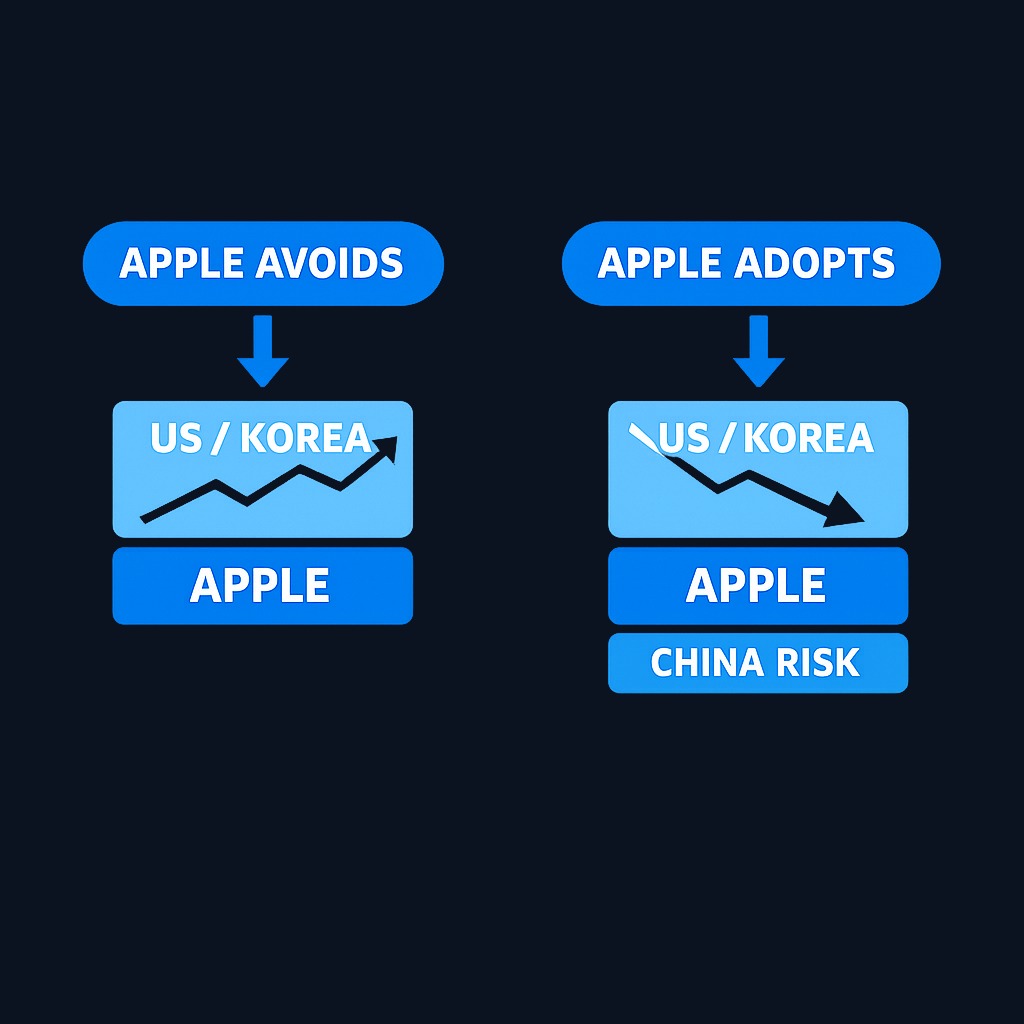
The read-throughs run in two directions. For the US and Korean memory makers — Micron, SanDisk, SK Hynix, Samsung — Apple staying out of Chinese memory preserves one of the industry's biggest customers for the incumbents; that's a rare piece of supportive news in their brutal month. For Apple, it's a reminder that its China entanglement cuts both ways — manufacturing there, selling there, and now potentially buying strategic components there — at a moment when the company reports earnings tonight, fresh off touching a $5 trillion valuation.
Why this matters to YOU
Geopolitics is now a line item. For companies of Apple's scale, supplier choices are no longer purely economic decisions — they carry political costs that can outweigh the savings. Pricing that in is part of analyzing any global company today.
Watch August 21. A public commitment either way will move memory-sector sentiment. Silence would speak too.
One story, many tickers. CXMT connects Korea's crash, the memory selloff, China's chip push, and now Apple. Recognizing when separate news items are one underlying story — cheap Chinese memory arriving faster than expected — is the skill that turns news reading into analysis.
The connected threads: China's DUV lithography breakthrough · the Kospi emergency update · Apple's $5 trillion market cap.
Finelo does not provide investment advice. This article is for informational and educational purposes only.
Sources: Bloomberg — senators' warning, Yahoo Finance — syndicated report, 9to5Mac — bipartisan pushback details
Frequently asked questions
Why are US senators warning Apple about CXMT and YMTC?
Lawmakers argue that qualifying chips from Chinese companies linked to US national-security restrictions could deepen a strategic supply relationship and make broader adoption easier later.
Why might Apple consider Chinese memory chips?
Chinese suppliers can offer lower-cost capacity, particularly for devices sold in China, where local sourcing may also support Apple's relationship with its second-largest market.
How could Apple's decision affect memory stocks?
Avoiding CXMT and YMTC would help preserve a major customer for established suppliers such as Samsung, SK Hynix, Micron, and SanDisk, while adoption could intensify competitive pressure.
AppleCXMTYMTCmemory chipsChinasemiconductors
Practice trading with Finelo
Practice in a simulator, learn with bite-sized lessons, and build confidence before risking real money.
About the author
Finelo Team
The Finelo Team creates practical investing and trading education designed to help beginners learn faster with structured challenges, simulator practice, and bite-sized lessons.
Keep reading — Related articles

News
U.S. Gas Prices Reach $4.46: What the Increase Means for Inflation and Household Costs
The EIA's U.S. all-grades gasoline average reached $4.455 per gallon. See what changed, why regions differ and how fuel prices affect inflation.
Finelo Team
News
China Sets a Stronger Yuan Fix at 6.7521: What It Means for USD/CNY
China set its September 18 yuan reference rate at 6.7521 per dollar. Learn how the official fixing differs from market rates and why the move matters.
Finelo Team
News
BOJ Raises Its Policy Rate to 1.25%: What the Decision Means for the Yen
The BOJ raised its overnight policy-rate target to around 1.25%. Learn why the yen can still weaken after a rate increase and what the decision says.
Finelo Team