Finelo Blog
Learn investing and trading, one article at a time. Practical guides, beginner-friendly explainers, and learning tips from the Finelo team.
Monetary Policy vs Fiscal Policy: Understanding the Differences
Monetary policy and fiscal policy both influence the economy, but different institutions control them. Monetary policy is a central bank’s use of financial and monetary tools. Fiscal policy is a government’s use of…

HSA vs FSA: A Detailed Comparison
The short answer in the HSA vs FSA decision is that eligibility comes first, then expected health expenses and the specific rules of the accounts available to you. An HSA is only an option when you satisfy federal…

How to Open a Brokerage Account: A Complete Guide
To open a brokerage account, choose a brokerage firm and select an account type. Then complete the application, verify your identity, connect a funding source, and decide how to invest the money. Before you apply…

How Does the Stock Market Work?
The stock market connects companies that want to raise money with investors who want to own part of a business. Investors place buy or sell orders through brokers, those orders are routed to trading venues, and a…
How Are Dividends Taxed?
Dividends are taxed based mainly on their classification and the account in which they are held. In a taxable account, ordinary dividends are included in ordinary income, while qualified dividends are eligible for…
Depreciation vs Amortization: An Investor’s Guide to D&A
Depreciation and amortization both spread an asset’s cost across periods, but they generally apply to different assets. Depreciation is associated with tangible assets such as machinery, vehicles, and buildings…
Defined Benefit vs Defined Contribution Plans: Key Differences and Insights
The central difference is what the plan defines. A defined benefit plan sets a retirement benefit in advance, while a defined contribution plan sets up an individual account funded by employee or employer…
APR vs APY: Understanding the Key Differences
APR and APY both express a rate on an annual basis, but they answer different questions. APR helps you compare what you’ll pay to borrow; APY helps you compare what you may earn on deposits. This page is for borrowers…
Understanding the 50/30/20 Budget Rule: Your Path to Financial Freedom
The 50/30/20 budget rule divides income into three broad categories: 50% for needs, 30% for wants, and 20% for savings. Charles Schwab describes the same core allocation. In practice, many people also use the 20%…

What Is an IPO? How Companies Go Public, Explained
An IPO is the first time a private company sells shares to the public. Here's why companies do it, how the process works step by step, and what the record-breaking SpaceX IPO of June 2026 taught about pricing, underwriting, and post-listing volatility.
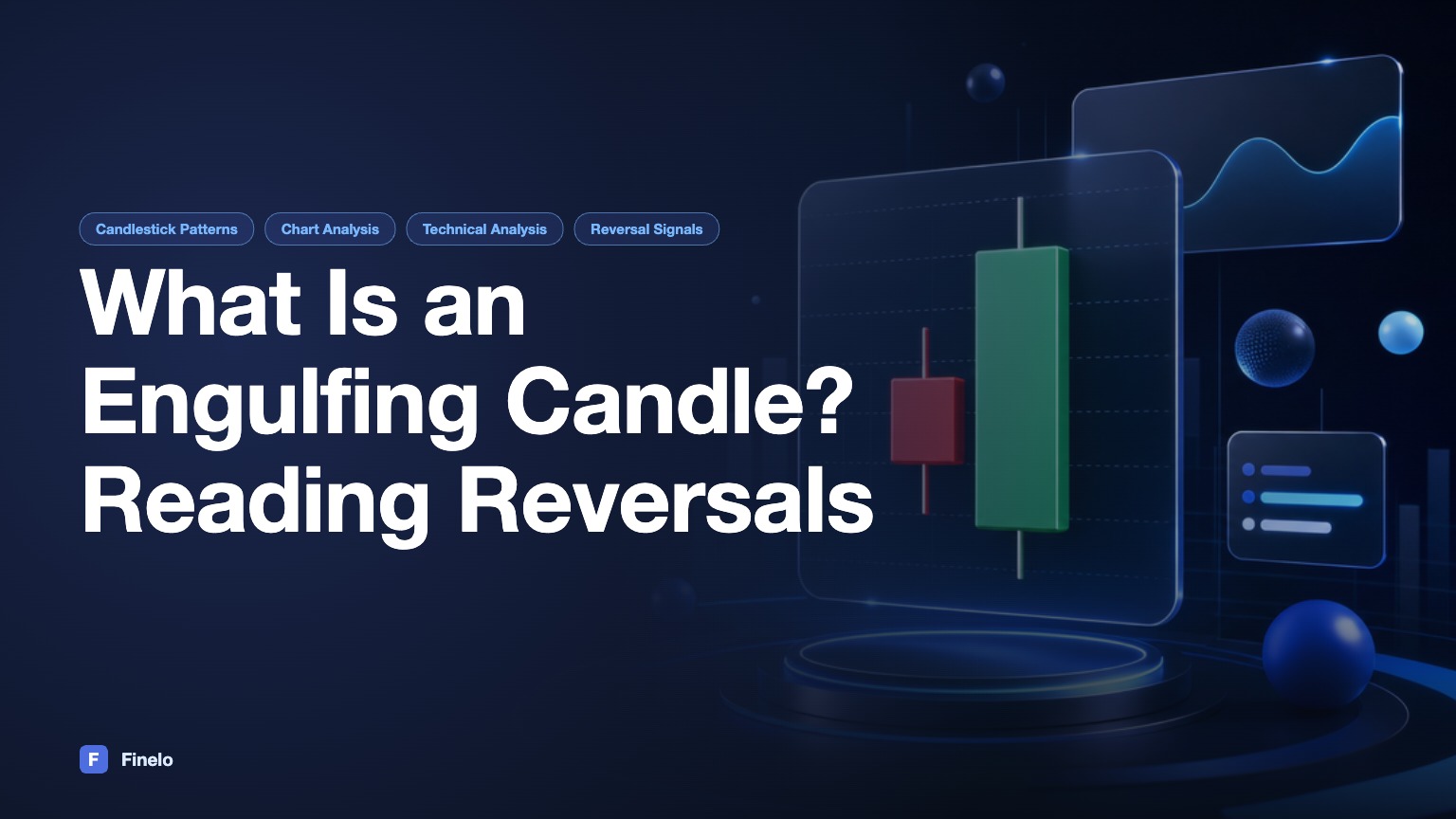
What Is an Engulfing Candle? How to Read the Two-Candle Reversal
An engulfing candle is a two-candle pattern in which the second candle's real body completely covers the body of the first. Learn bullish vs bearish engulfing, confirmation, and how it differs from the harami and doji.

WTI vs Brent Crude: The Two Oil Prices Explained (And Why They Differ)
News reports quote two different oil prices — WTI and Brent crude. Here's what each benchmark measures, why they rarely match, and how the 2026 Strait of Hormuz crisis showed the difference in action.
Browse by category
AI Trading
Articles, guides, and explainers about ai trading.
44 articlesChart Analysis
Articles, guides, and explainers about chart analysis.
76 articlesFinancial Literacy
Core money concepts explained simply for everyday financial confidence.
198 articlesInvesting
Long-term investing guides, portfolio basics, and wealth-building fundamentals.
34 articlesNews
Market news explainers that turn current events into lasting financial literacy.
84 articlesTrading
Active trading concepts, market mechanics, and disciplined practice strategies.